
 Tourism Masterplan for Soltanyeh
Soltanyeh Iran, 2008
Project type: Design Consultant
Client: Cultural Heritage
Planer: MAGHS + Maab Co.
Area: 350,000 m2
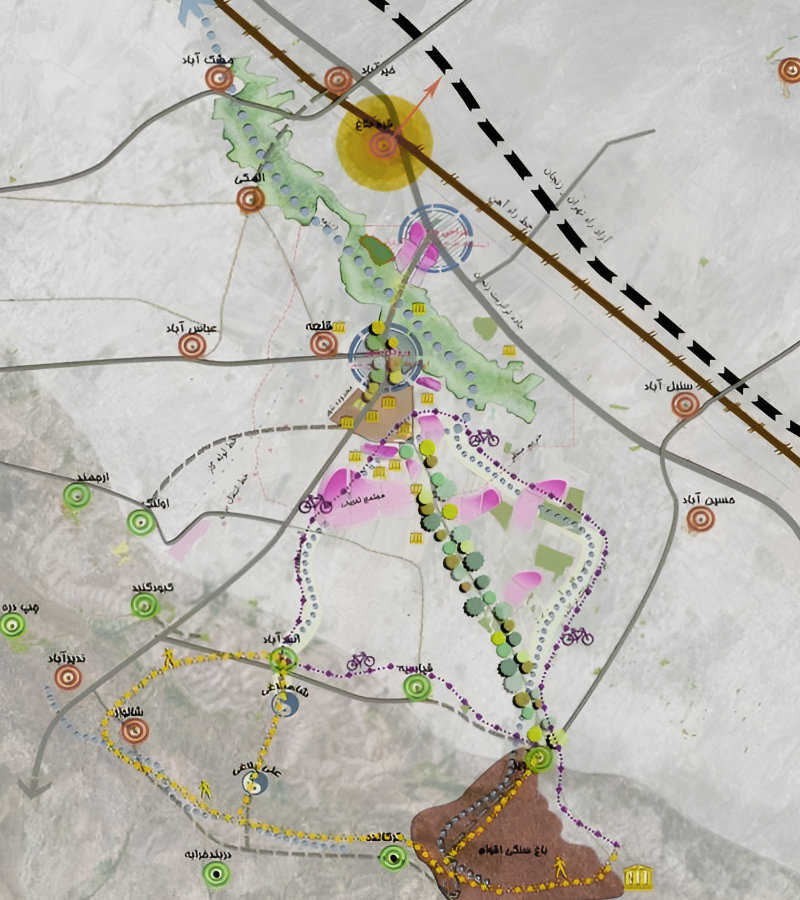
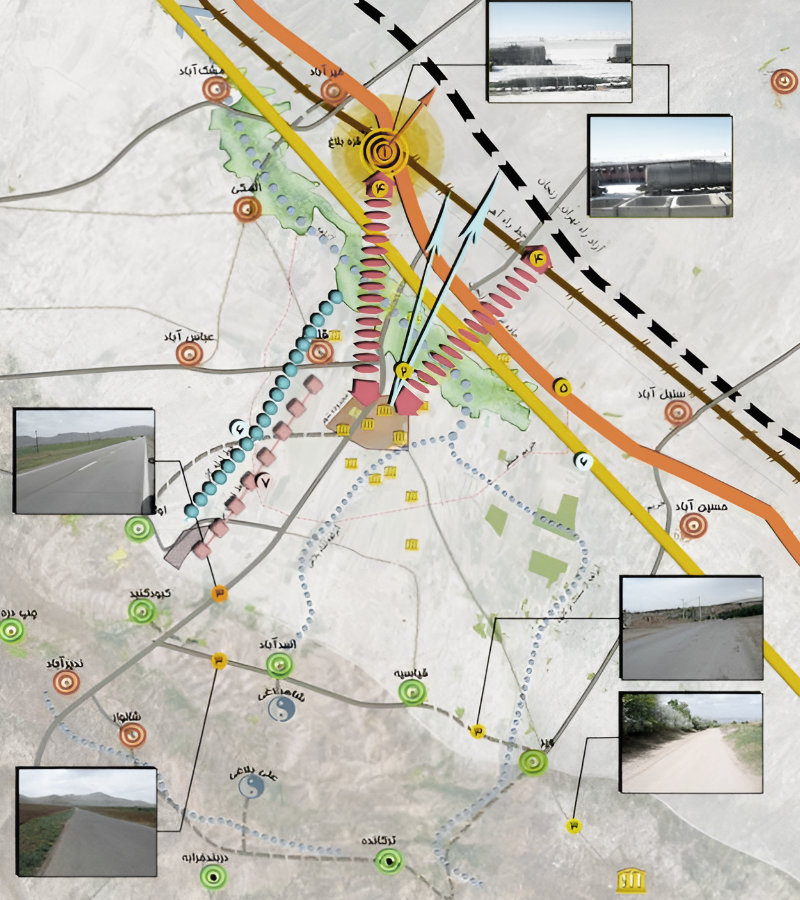
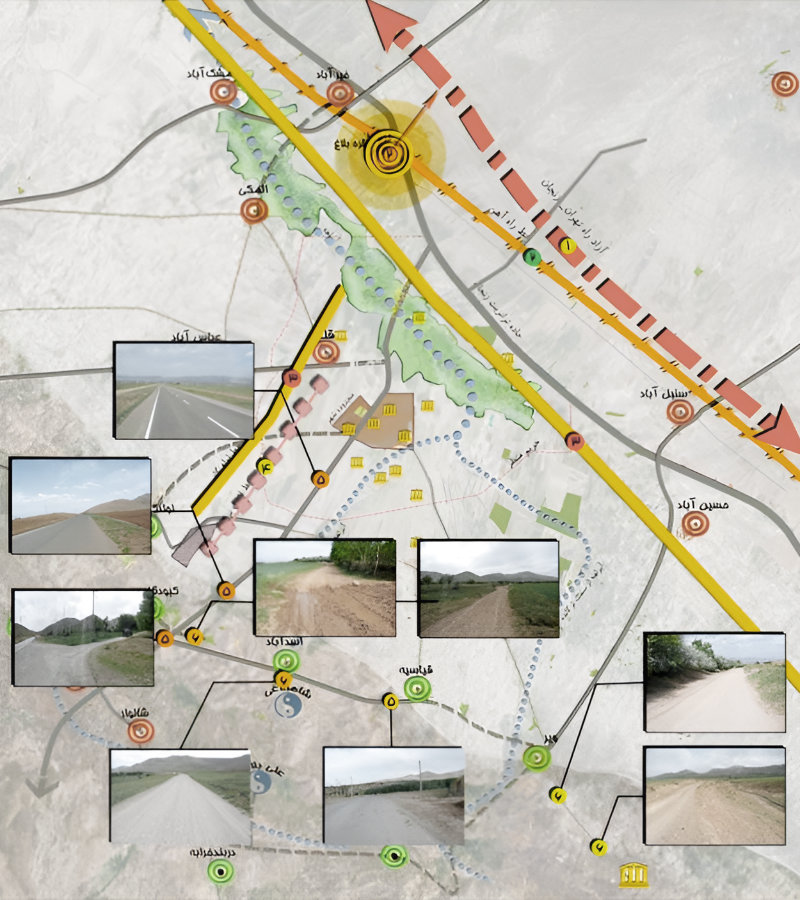
Tourism Master Plan for Soltaniyeh: Preservation, Development, and an International Model Region
Our comprehensive tourism plan for Soltaniyeh spans a 350-hectare area and combines the preservation of historical monuments with the development of modern tourism infrastructure. The goal is to transform Soltaniyeh into an international model region that promotes diverse forms of tourism while offering long-term benefits to both residents and visitors.
Historical and Cultural Significance
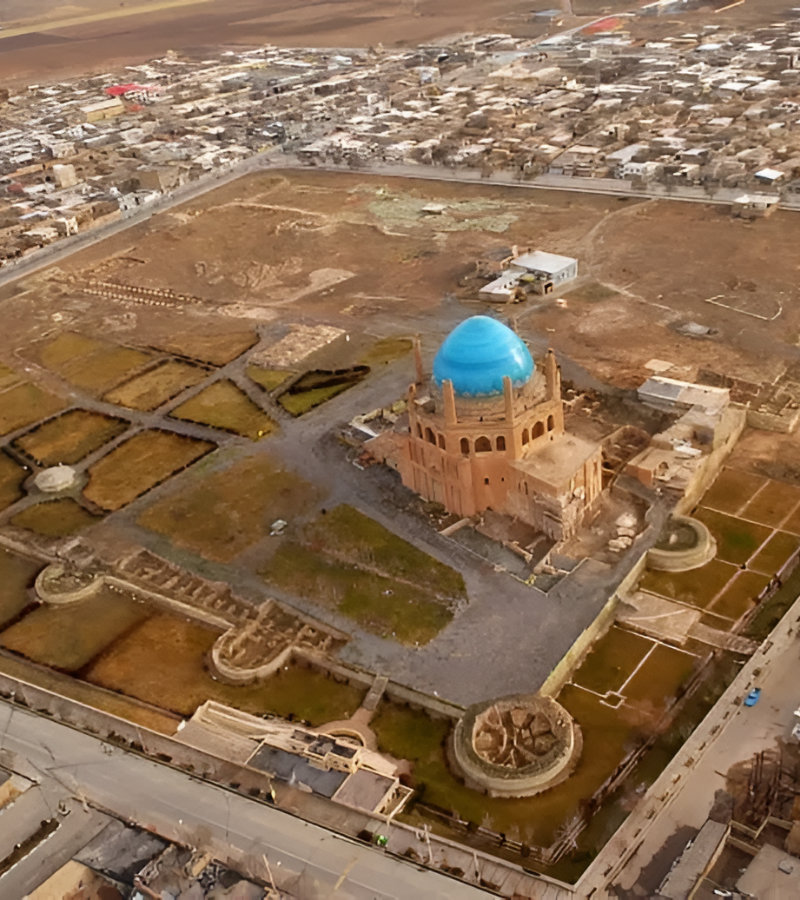
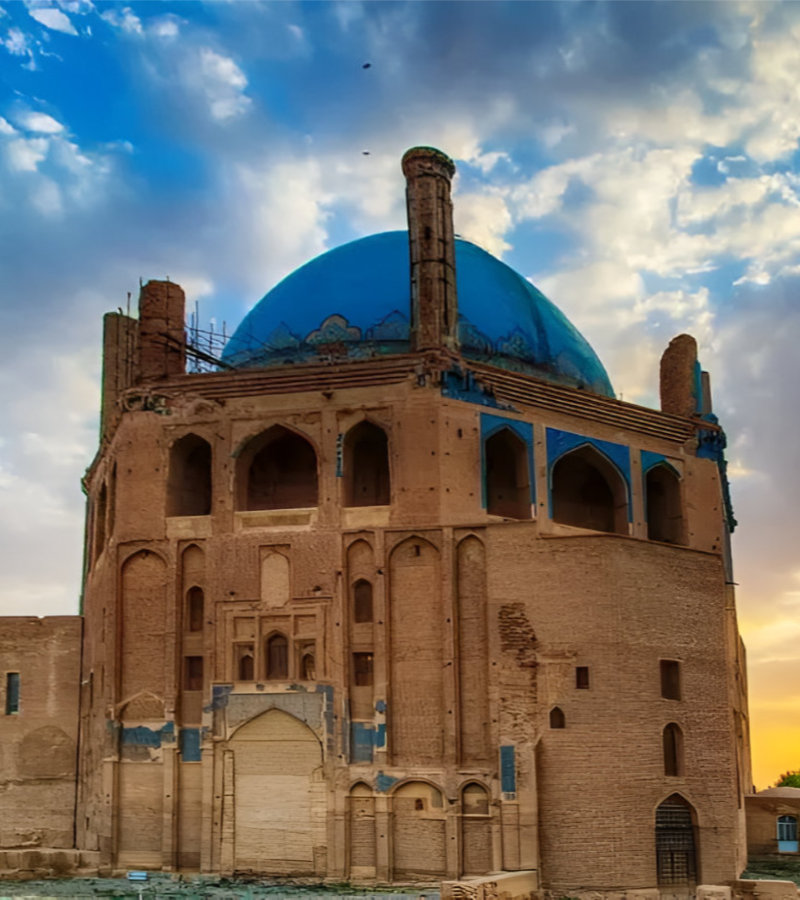
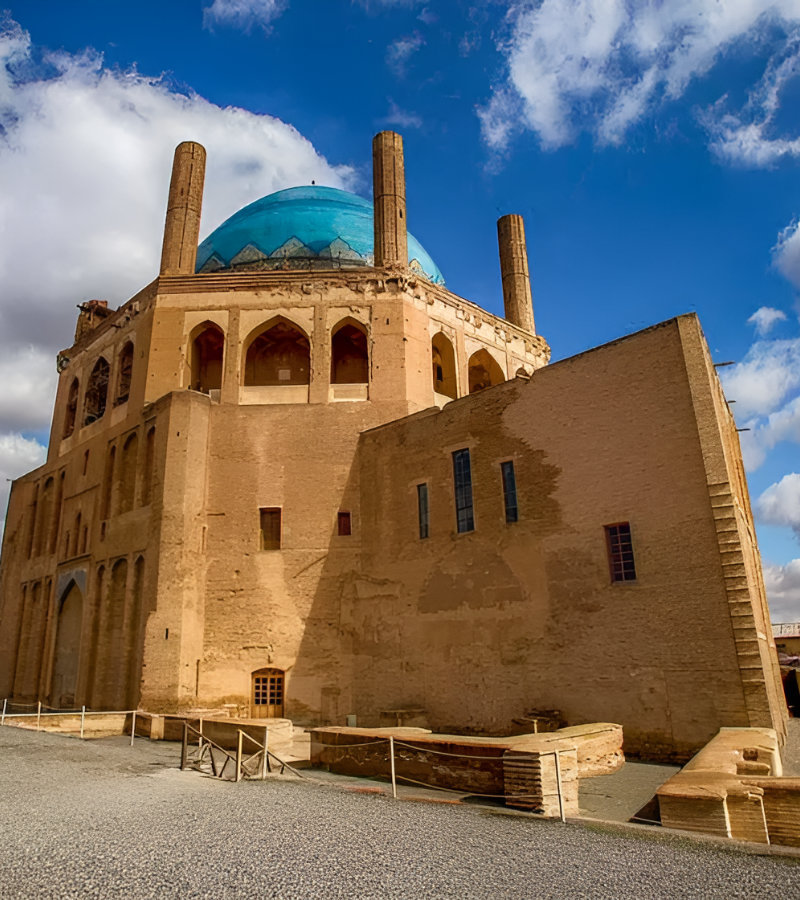
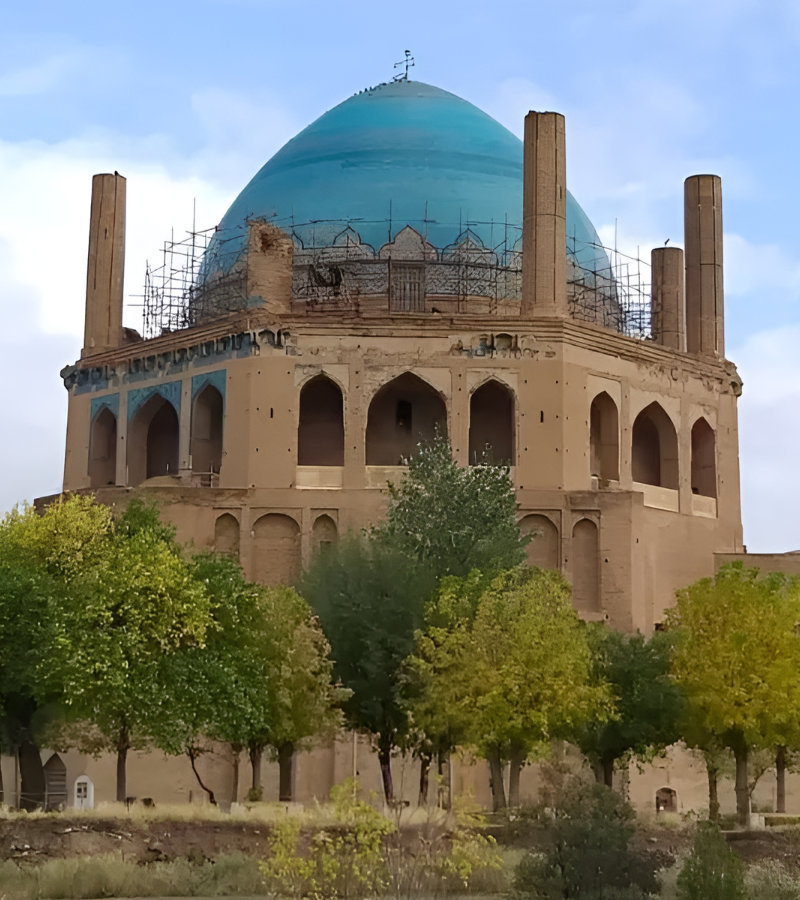
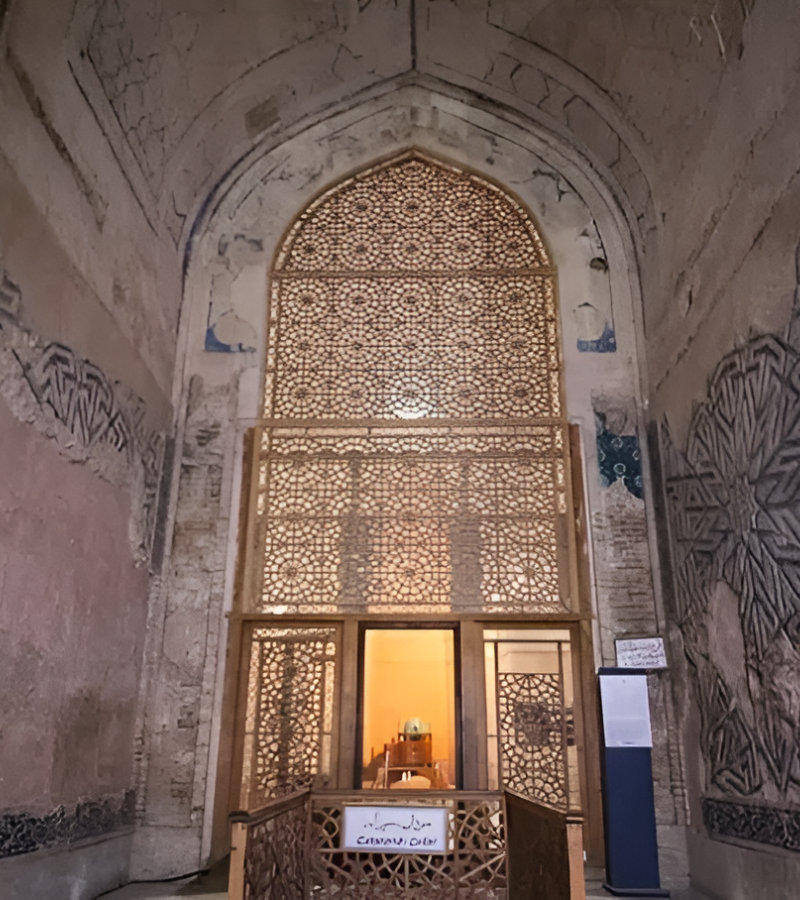
Soltaniyeh, located in Zanjan Province, is a remarkable example of Persian architecture and a key monument in the evolution of Islamic architecture. The octagonal Mausoleum of Öljaitü, the centerpiece of this UNESCO World Heritage Site, features a 50-meter-high dome adorned with turquoise faience. Surrounded by eight slender minarets, this double-shelled dome is the oldest surviving example of its kind in Iran and the second-largest brick dome in the world after the dome of Florence Cathedral.
The mausoleum impresses not only with its architectural mastery but also with its stunning interior decoration. Scholars such as A.U. Pope have described it as a “precursor to the Taj Mahal.” Other attractions in and around Soltaniyeh, such as the Cheplioğlu Khanqah, Noor Hill, the Mausoleum of Mullah Hassan Kashi, and the Dash-Kesen Temple, reflect the rich history of the region.
Design Principles
- Consideration of Different Types of Tourism
- The plan identifies and promotes cultural, natural, and adventure tourism, reflecting Soltaniyeh’s diversity and offering a wide range of activities.
- Utilization of Environmental, Natural, and Historical Potential
- Natural resources, historical monuments like the Mausoleum of Öljaitü, and the breathtaking landscape are strategically utilized to maximize Soltaniyeh’s appeal.
- Zoning for Different Uses
- Clear zoning has been introduced to effectively separate residential, commercial, recreational, and cultural areas, minimizing overlaps.
- Preservation of Authenticity and Cohesion
- The plan respects the local identity and cultural context, ensuring designs are authentic and harmoniously integrated into the historical setting.
- Year-Round Functionality
- Activities and facilities are designed to attract tourists year-round, mitigating seasonal fluctuations.
- Incorporation of Roads, Natural, and Artificial Features
- The plan integrates natural topography, existing roads, and man-made structures to create a harmonious and functional environment.
- Coexistence of Tourism Sites with Historical Monuments
- A balance is maintained between modern tourism infrastructure and the protection of cultural sites like the Mausoleum, Cheplioğlu Khanqah, and Dash-Kesen Temple.
Site Selection and Proposed Tourism Locations
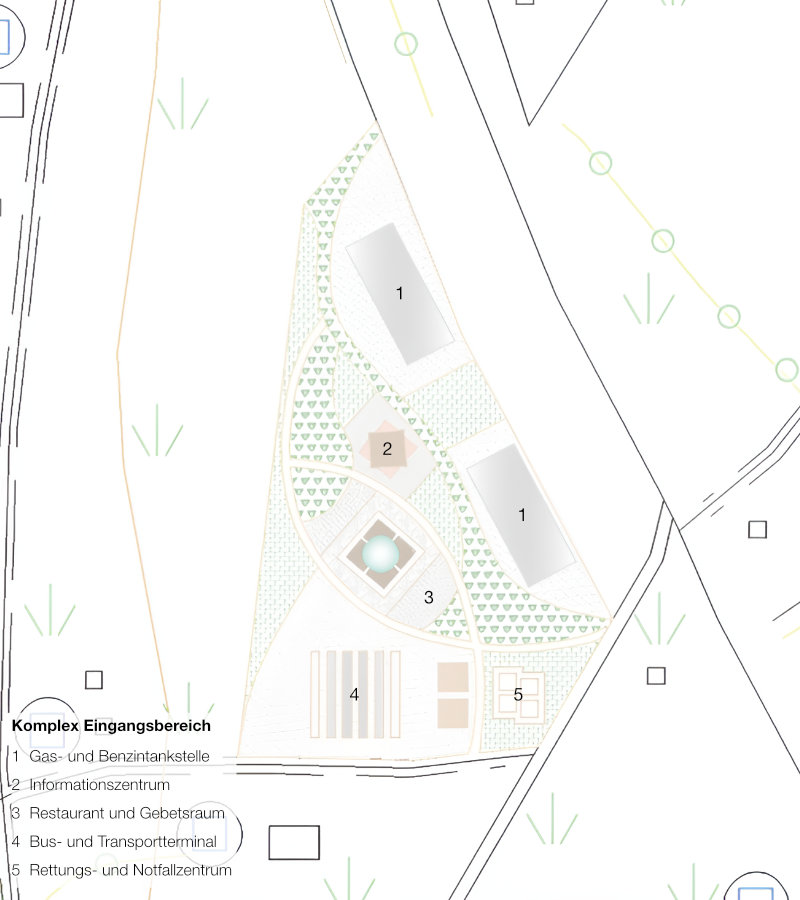
1. Entrance Complex (8 Hectares)
A multifunctional complex to facilitate tourist arrivals and provide essential services:
- Gas and fuel station
- Information center
- Restaurant and prayer room
- Bus and transportation terminal
- Emergency and rescue center
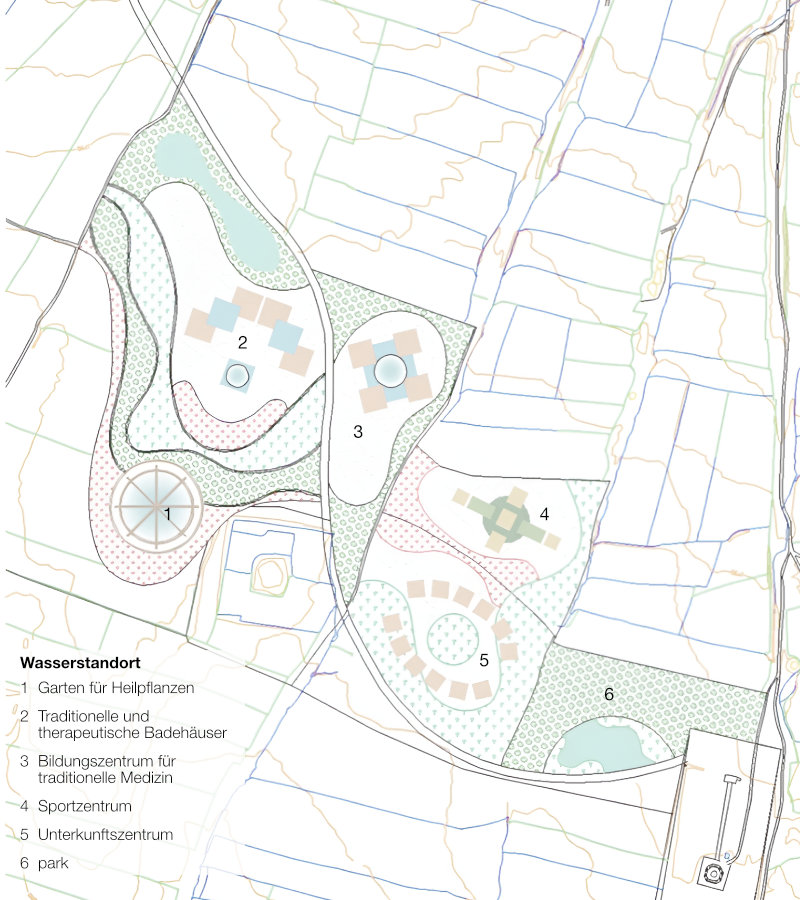
2. Traditional Medicine Site (27 Hectares)
A site showcasing the heritage of traditional medicine while offering modern amenities:
- Herbal medicine garden
- Traditional and therapeutic bathhouses
- Educational center for traditional medicine
- Sports center
- Accommodation center
- Park
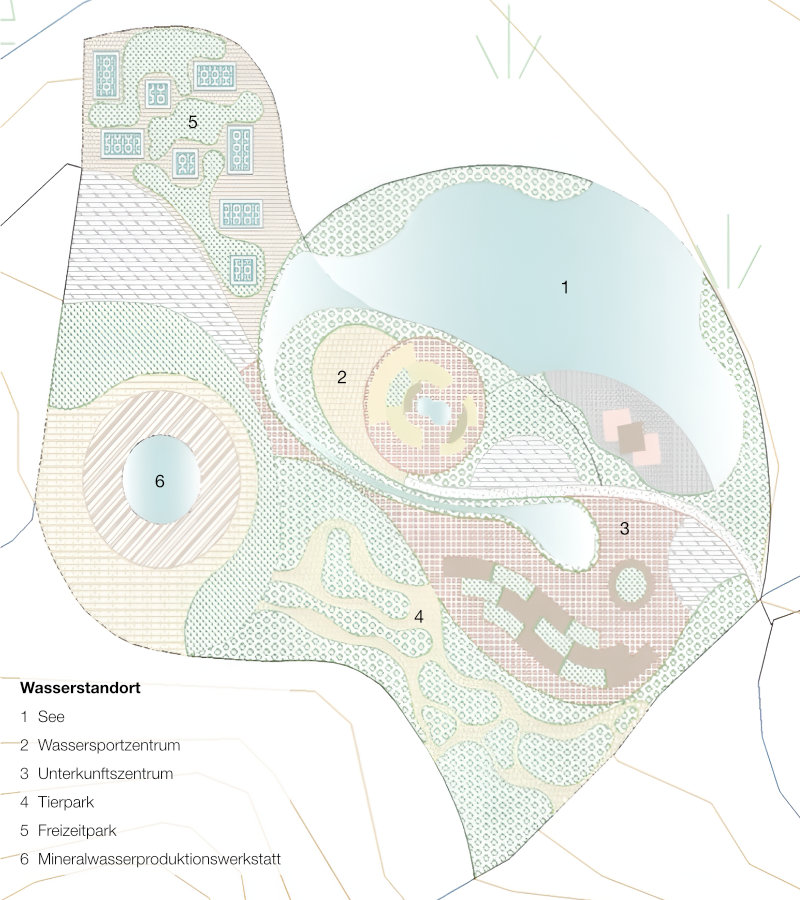
3. Water Site (12 Hectares)
A destination for recreation and water sports with diverse attractions:
- Lake and water sports center
- Zoo
- Amusement park
- Mineral water production workshop
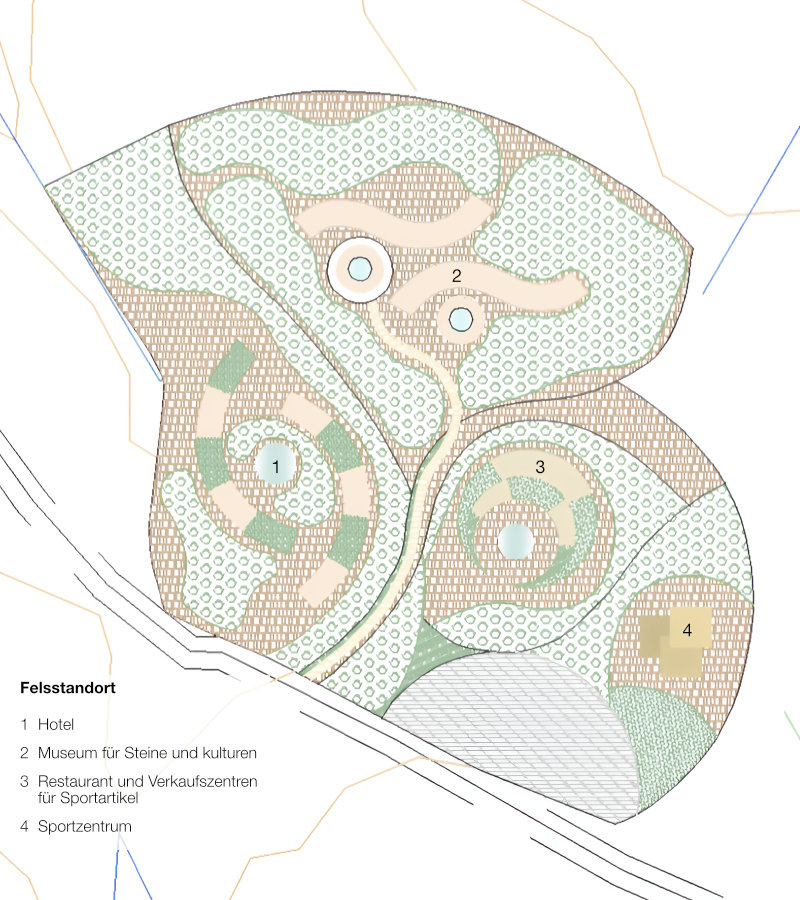
4. Rock Site (5 Hectares)
A unique site combining nature and culture:
- Accommodation center
- Museum of stones and cultures
- Restaurant and sports goods shops
- Sports center
Economic and Social Impact
This plan aims not only to preserve valuable monuments but also to create long-term employment opportunities, reducing the migration of local populations. The project integrates heritage preservation, sustainable development, and economic empowerment to strengthen Soltaniyeh as a tourism destination while supporting the local community’s livelihood.