
 Sadeghieh – A Legacy of Generosity
Kerman, Iran
Project type: new building
Client: private
Function: Culture
Area:
Building 550 m2
Garden 3200 m2
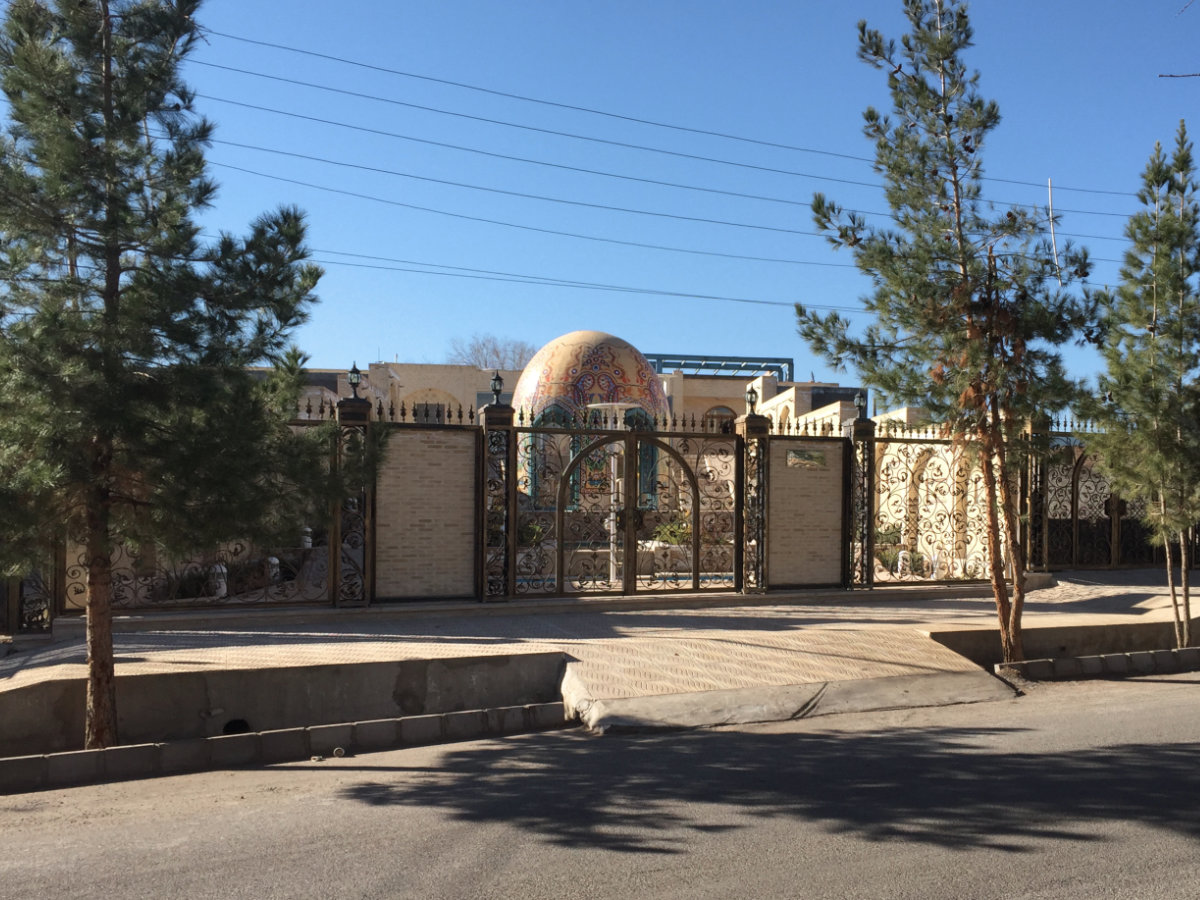
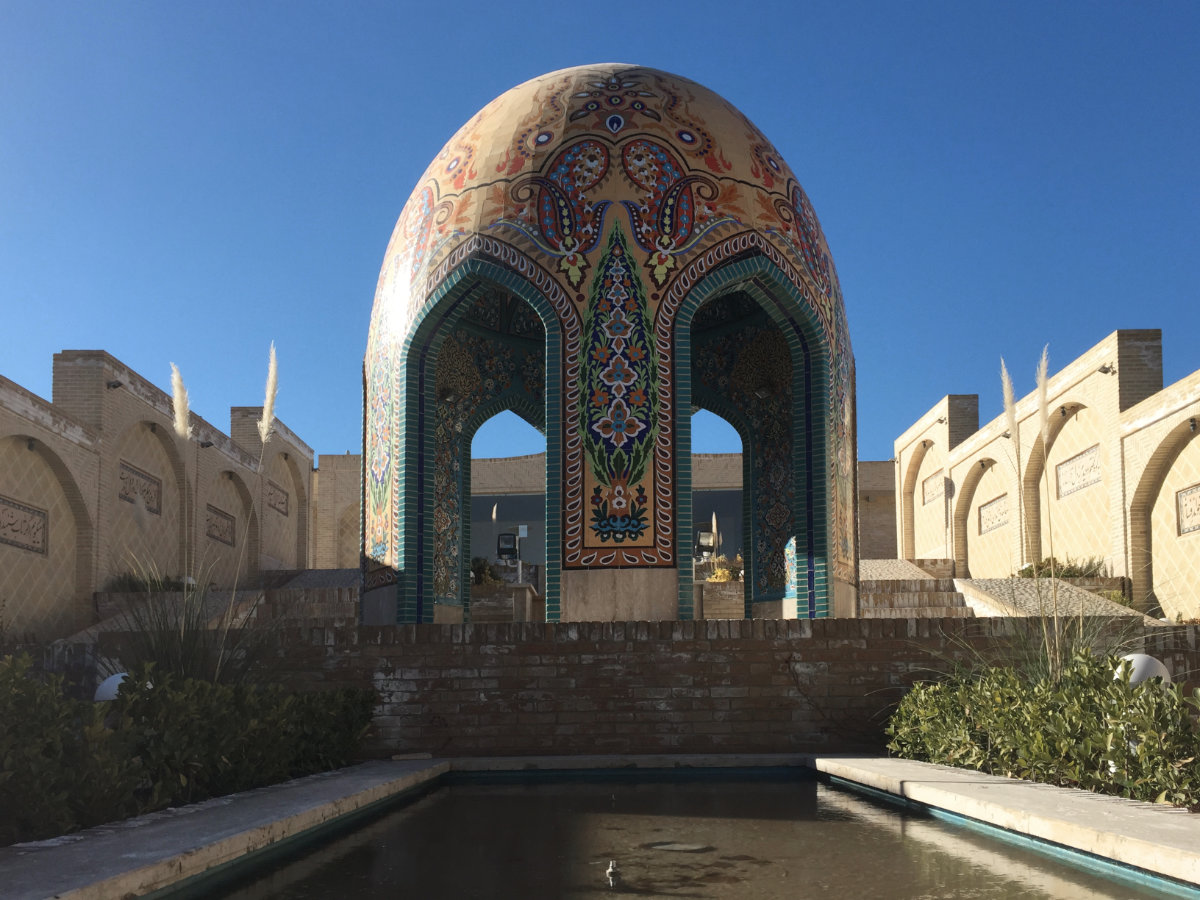
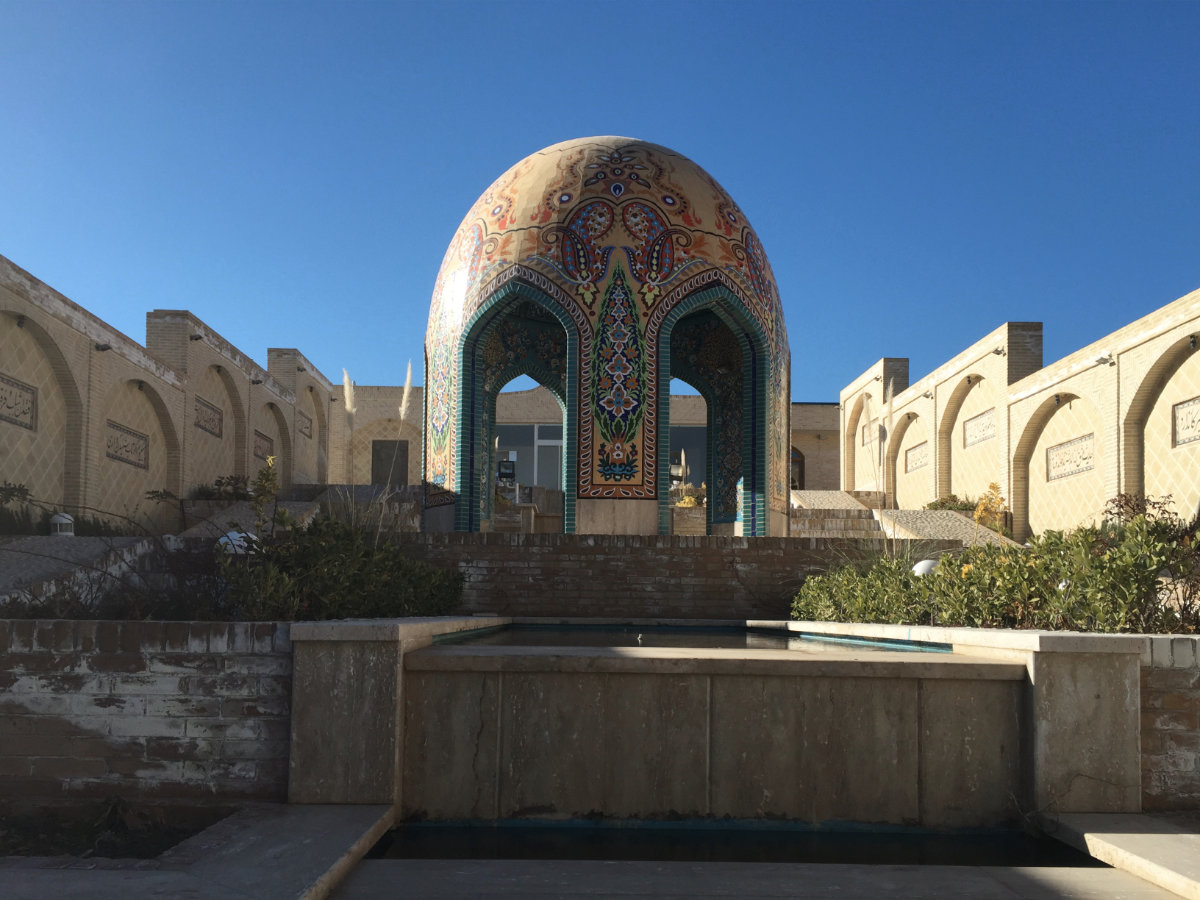
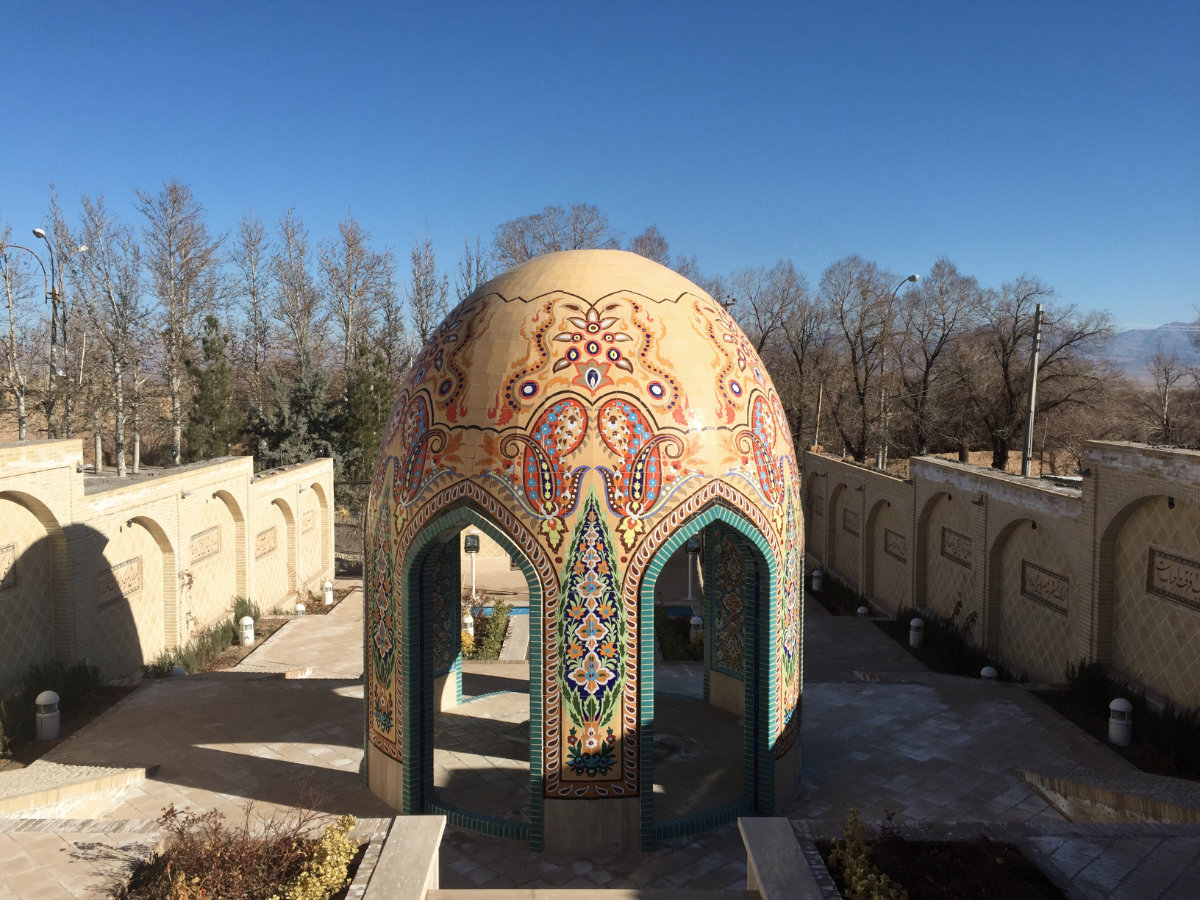
Project Sadeghieh – A Legacy of Generosity
My uncle, my mother’s brother, was an educated, wealthy and respected man in my hometown of Kerman Though he had no children of his own, he always carried the deep desire to leave behind something enduring and meaningful—a legacy that would last for generations to come.
This heartfelt project, named “Sadeghieh” after his first name, Sadegh, was created as an expression of his deep wish to give back to society and positively impact the future of many people. The Sadeghieh NGO, built upon his inheritance, supports students and scholars who seek higher education but lack the financial means to pursue their dreams. It was a source of great joy for him that this project was completed during his lifetime.
Architecture Inspired by World Heritage
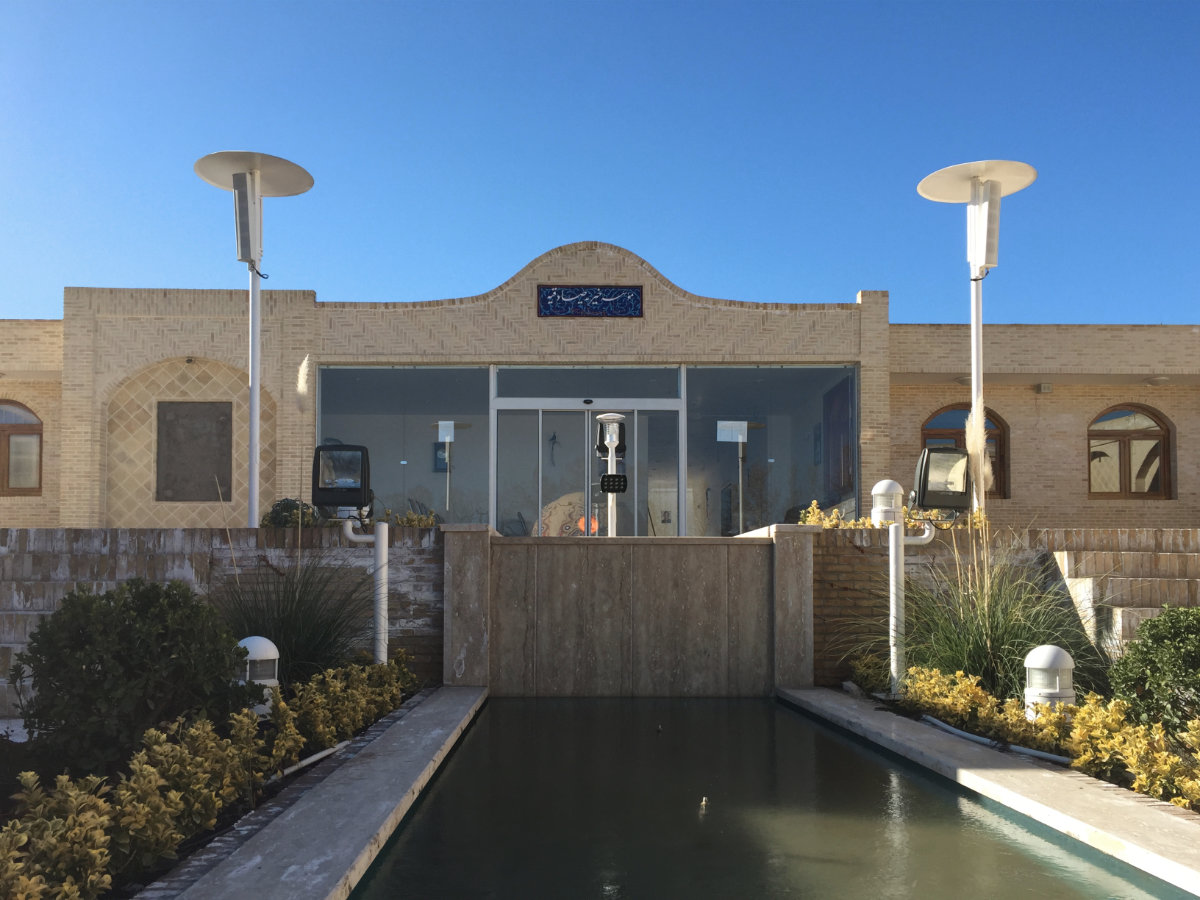
For the design of the Sadeghieh complex, we drew inspiration from traditional Persian architecture, particularly the UNESCO World Heritage Site “Bagh-e Shazdeh – The Prince’s Garden” in Kerman-Mahan.
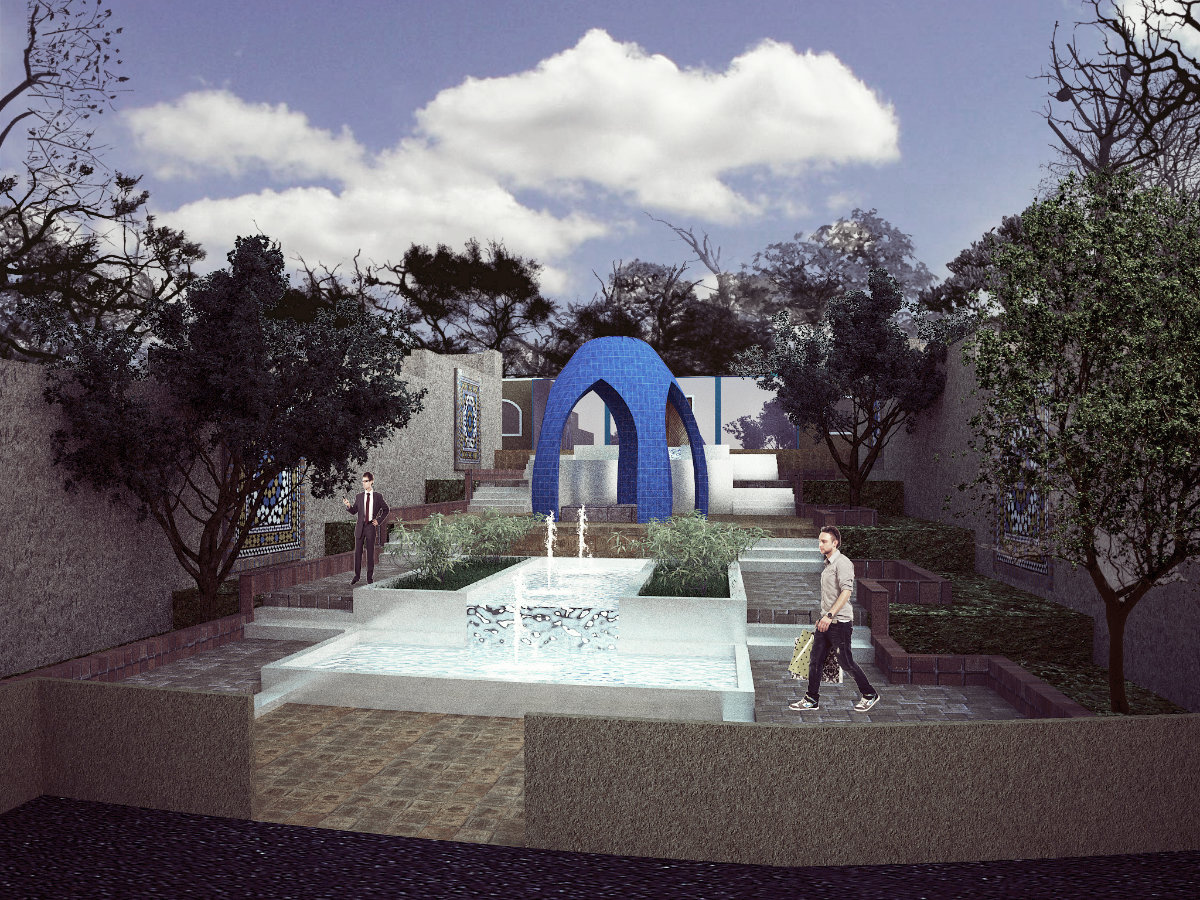
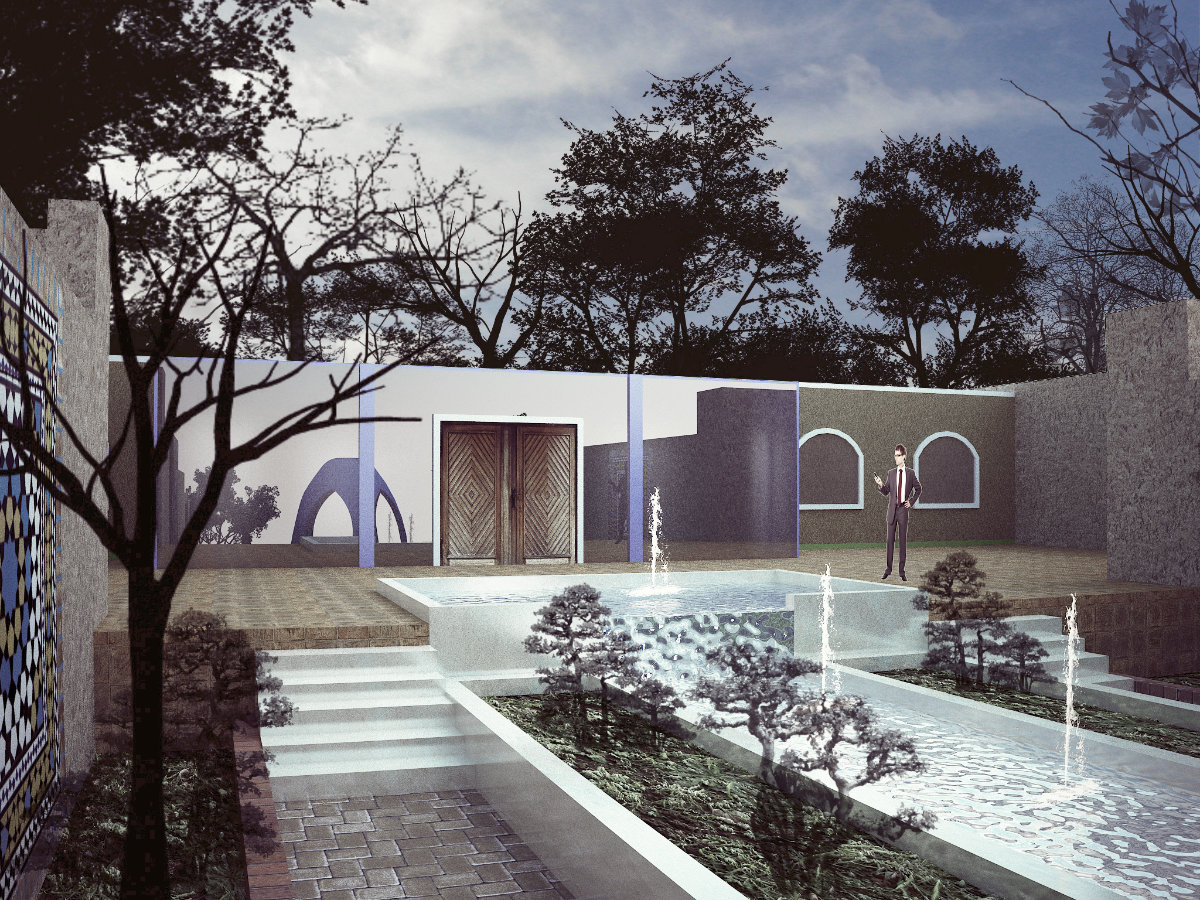
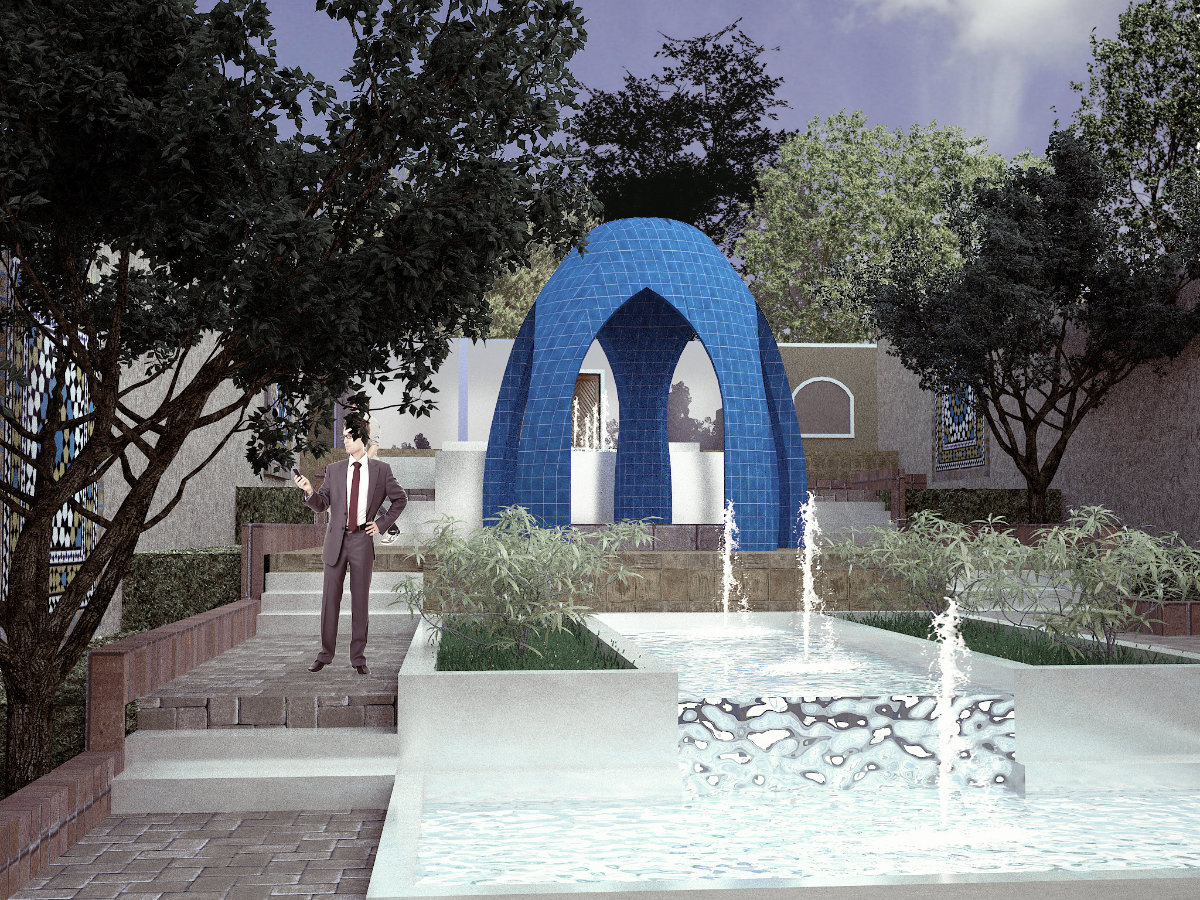
The 5.5-hectare garden, originally built around 1850 by a Qajar prince, was completed in the 1890s. At the heart of the garden stands a pavilion, once serving as the prince’s summer residence. The garden is enclosed by high walls and features multiple terraces, water basins, and a network of fountains and pools that cascade toward the pavilion, all operated naturally by the land’s elevation.
A Place of Remembrance and Reflection
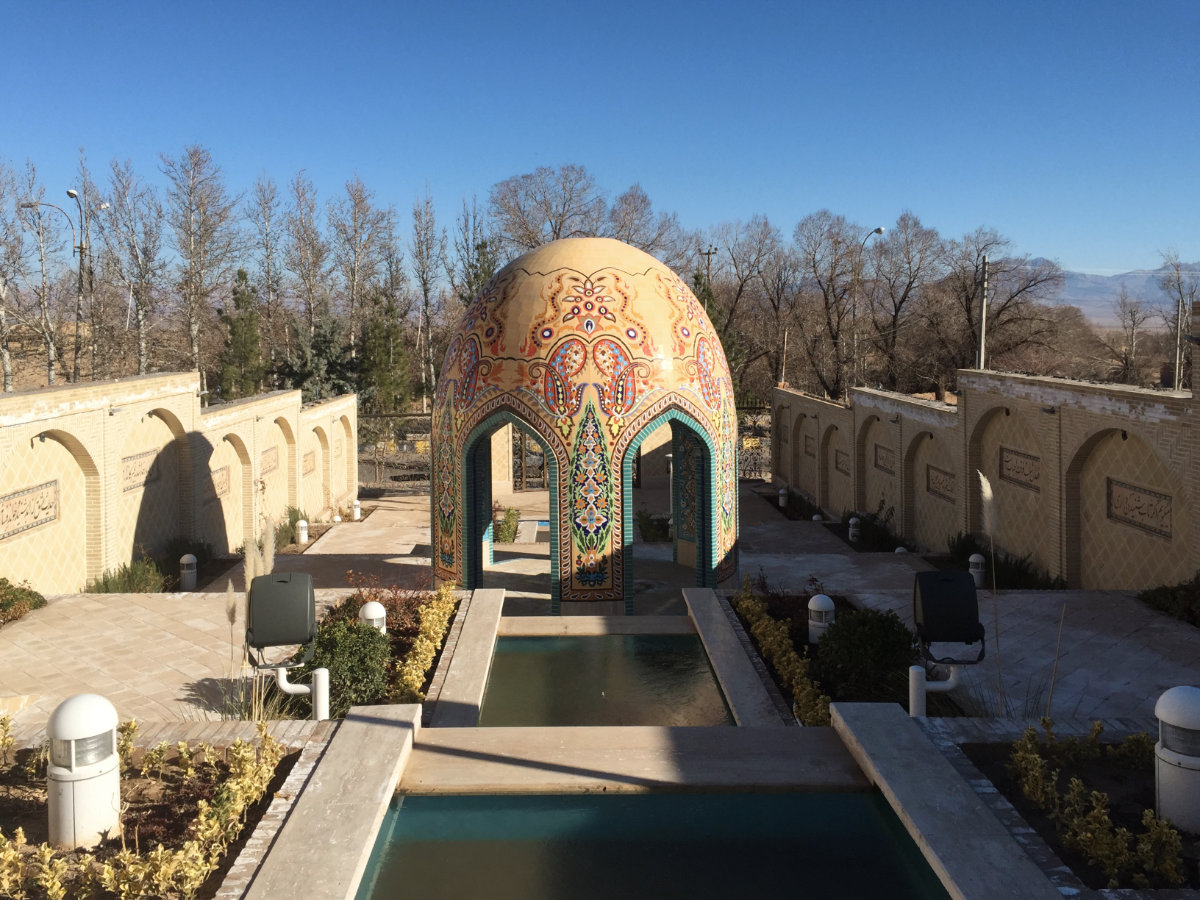
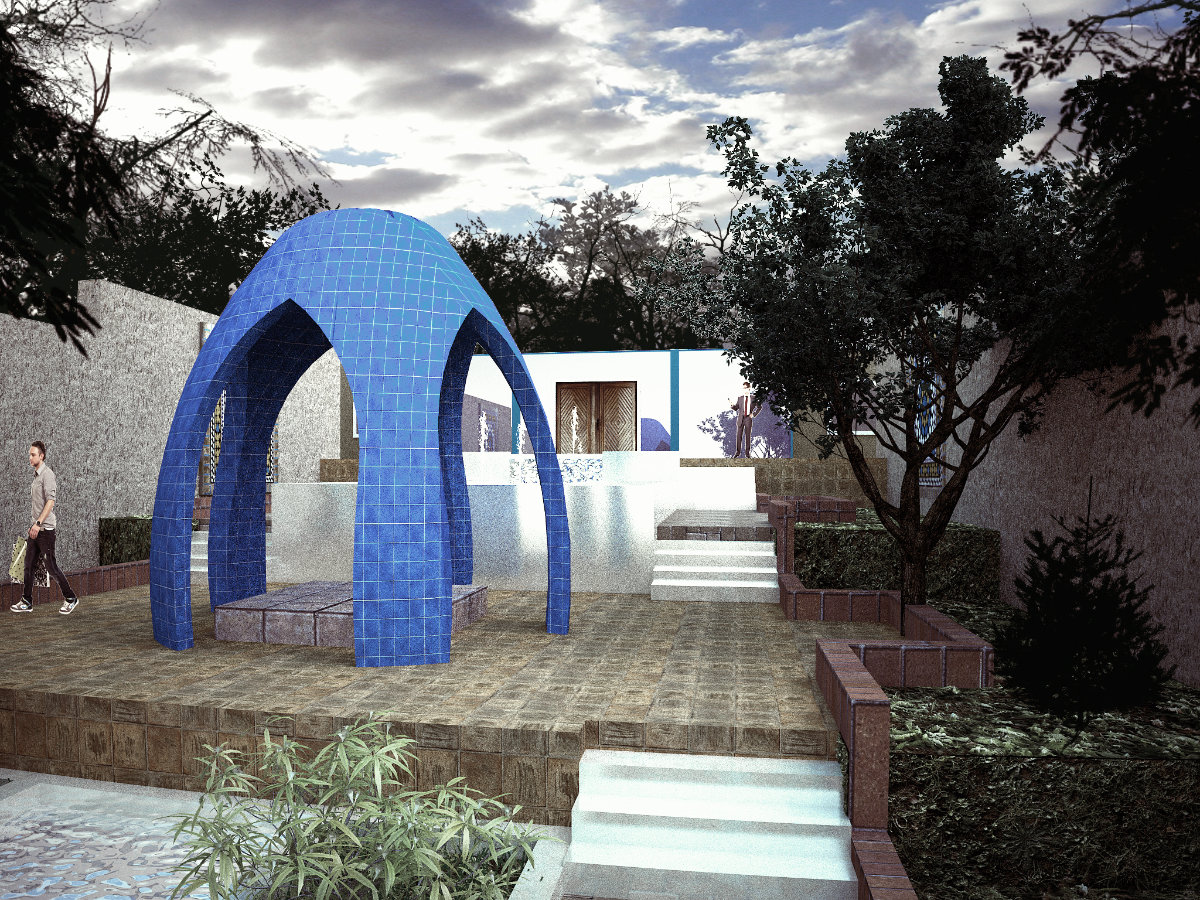
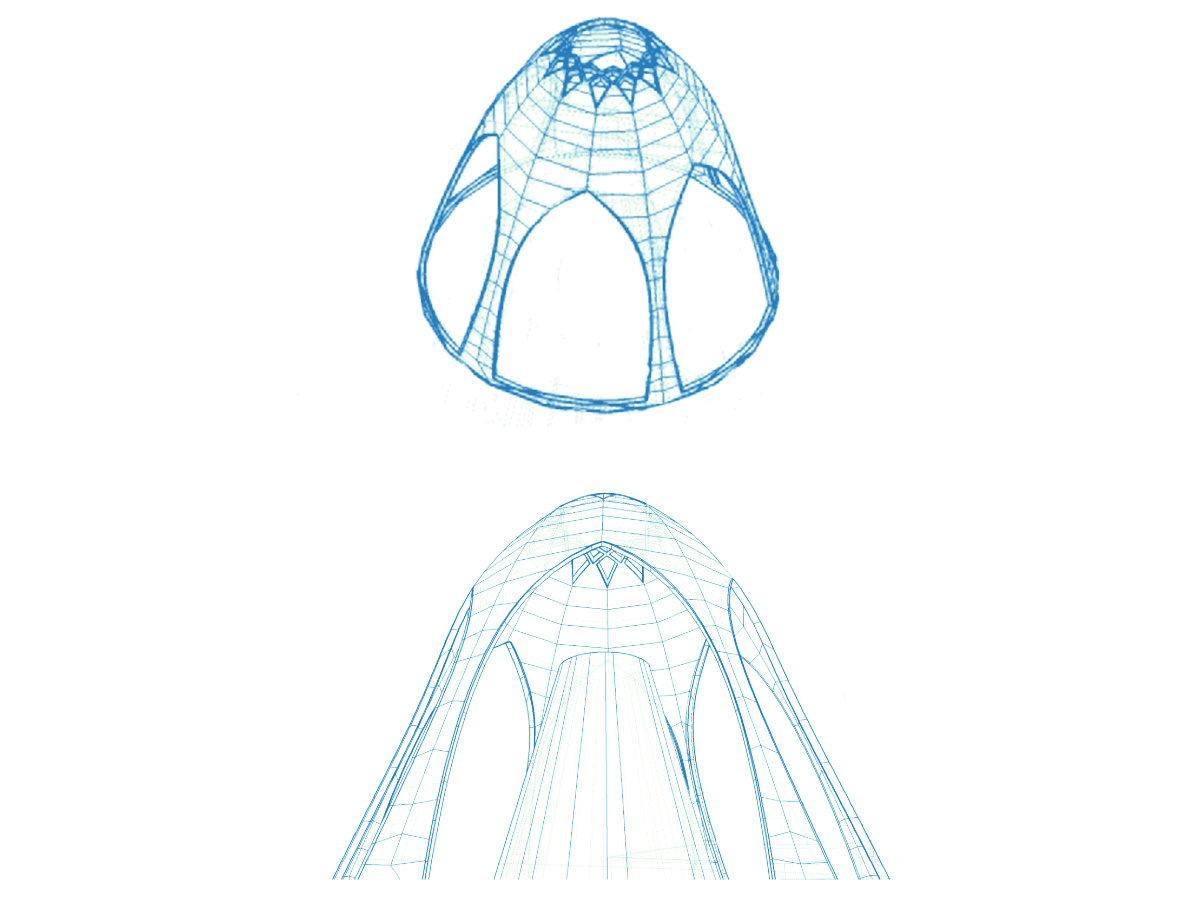
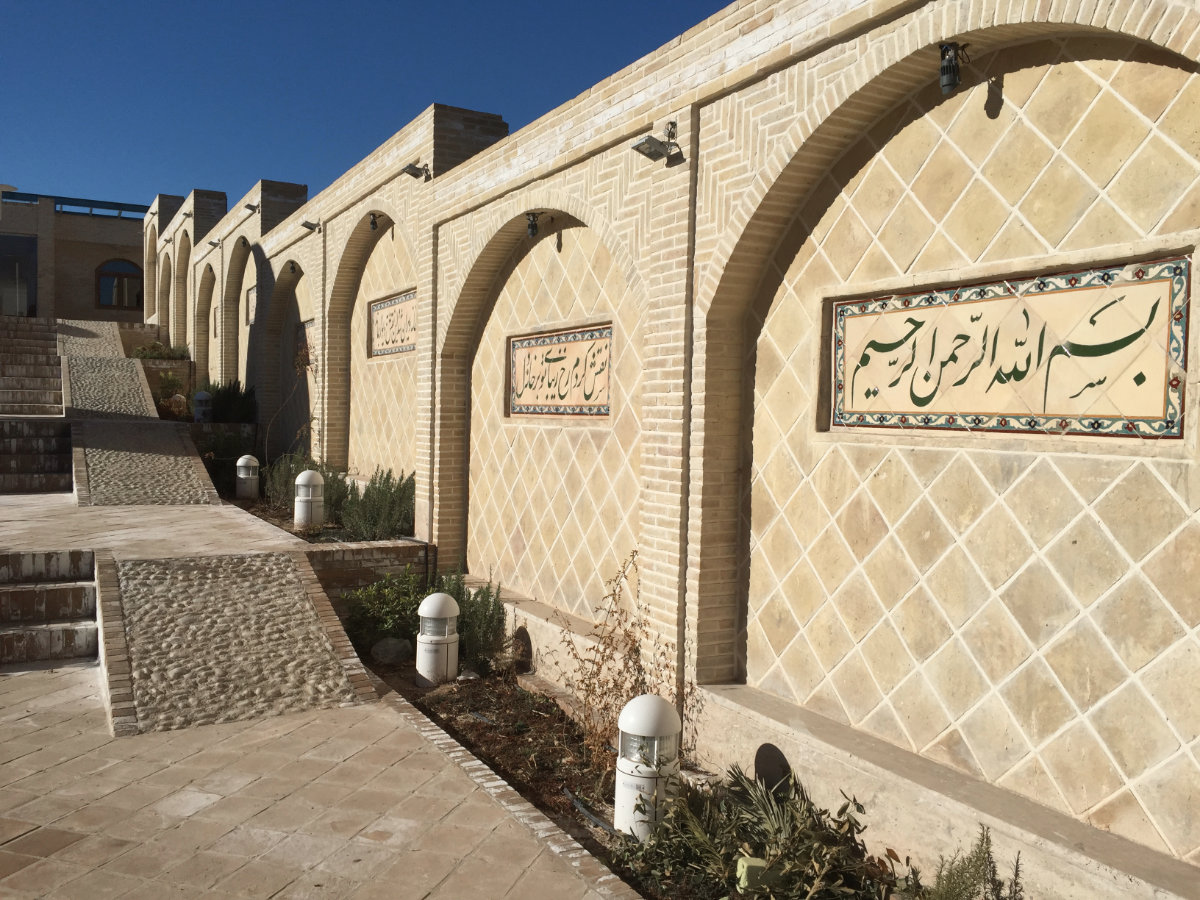
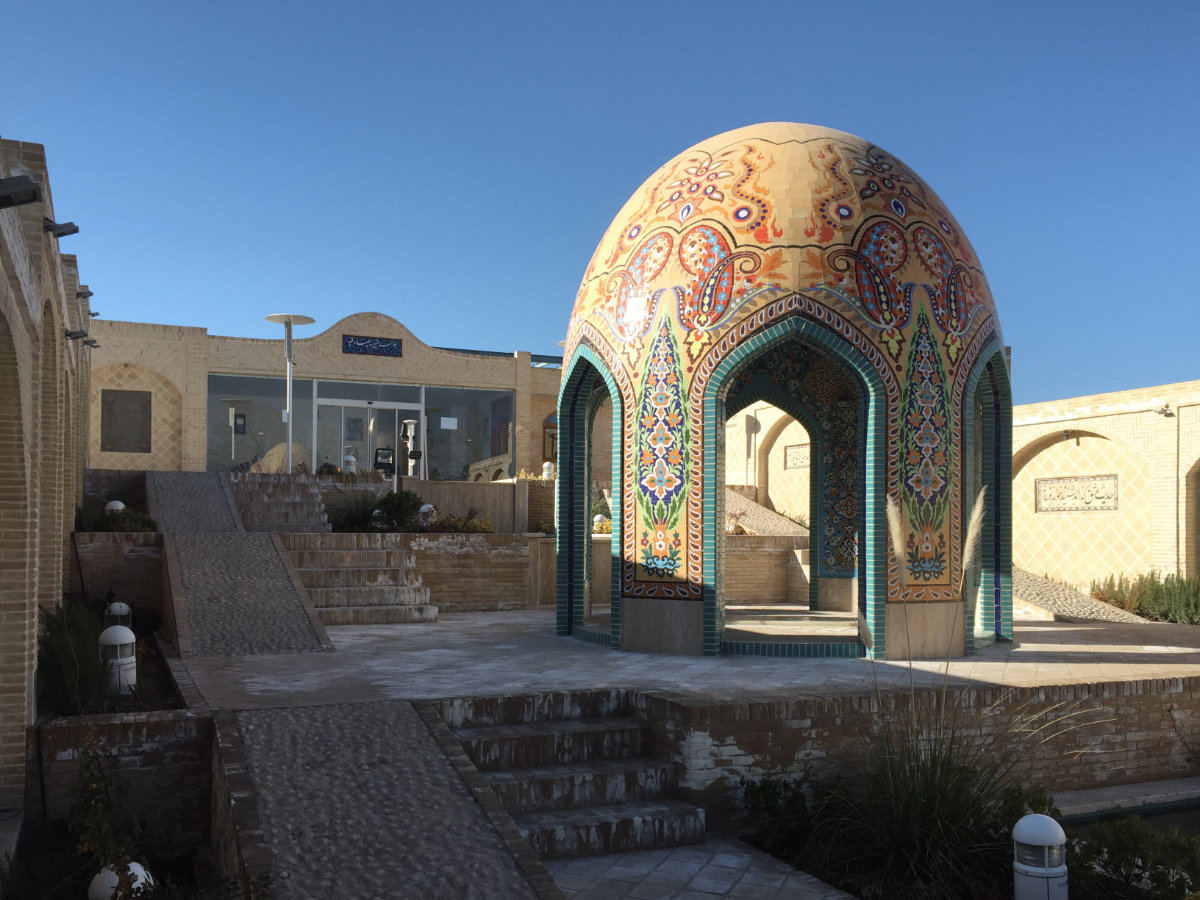
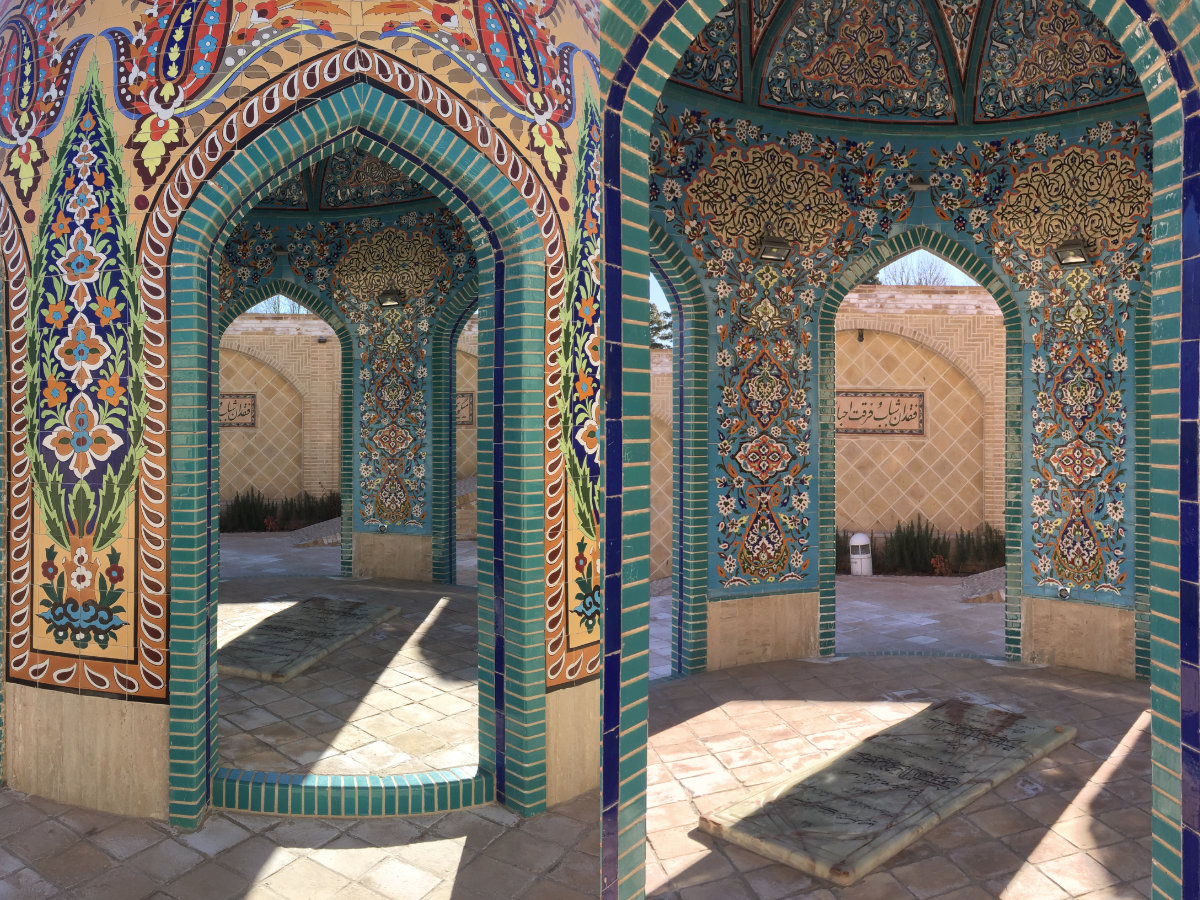
At the center of the garden, beneath one of the pavilions, my uncle and his wife—who passed away before him—are laid to rest. Surrounding the garden walls, short poetic verses personally selected by him are inscribed, reflecting on the meaning of life and the goodness in people.
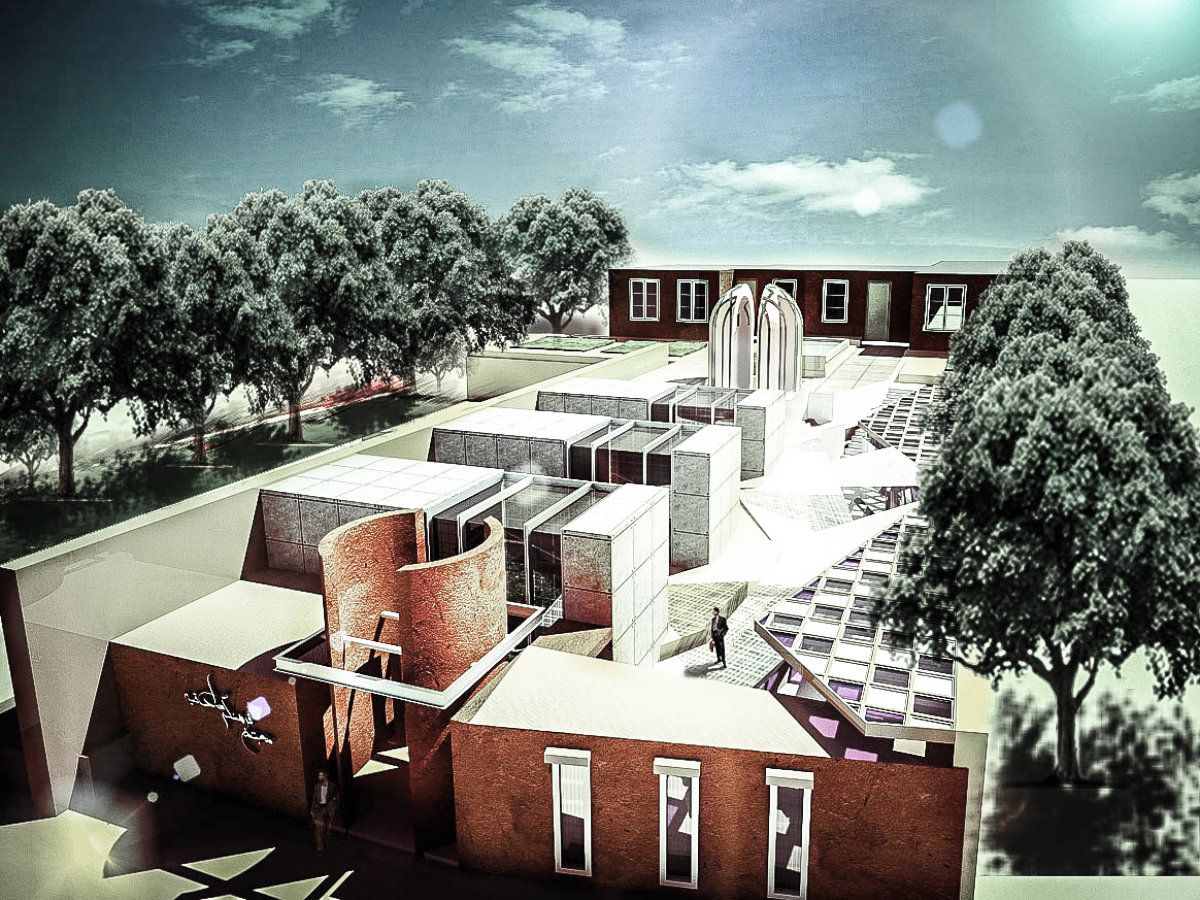
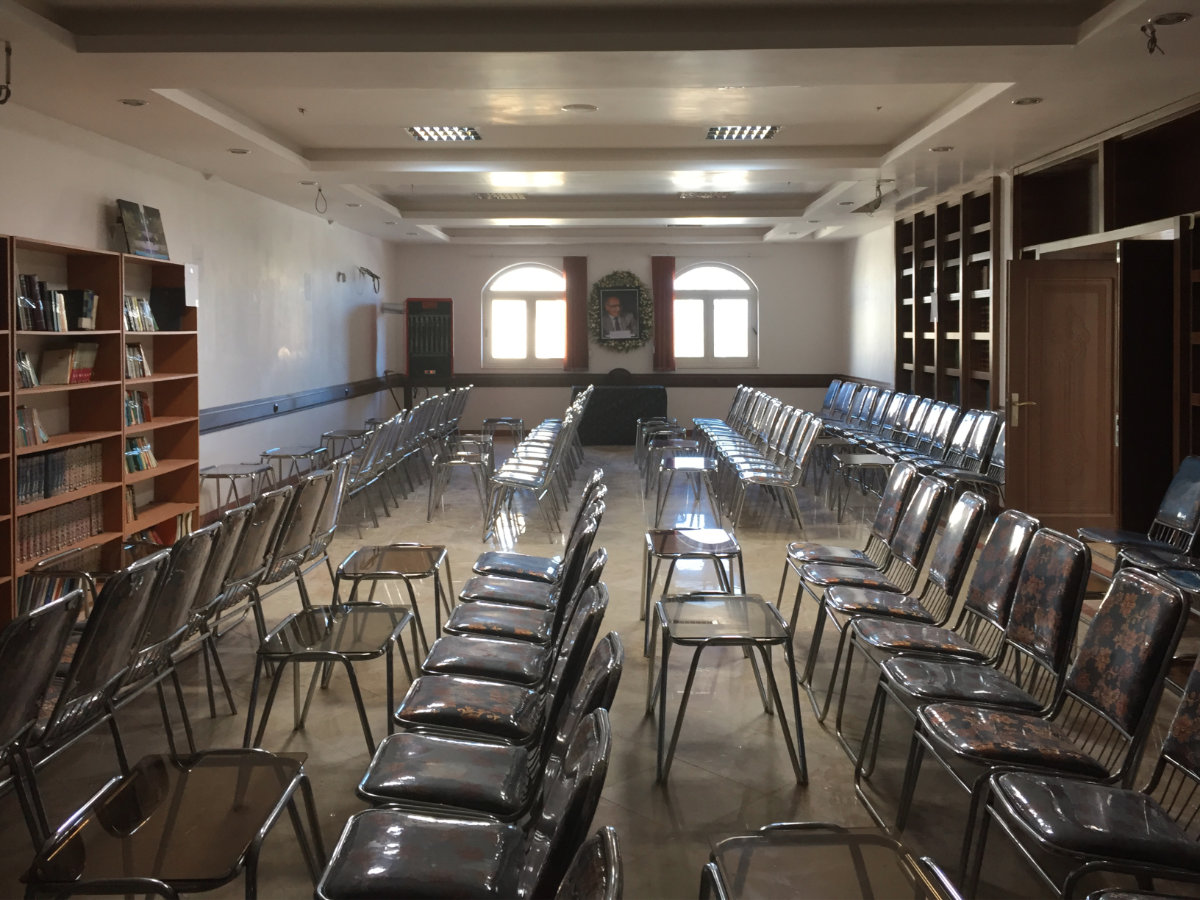
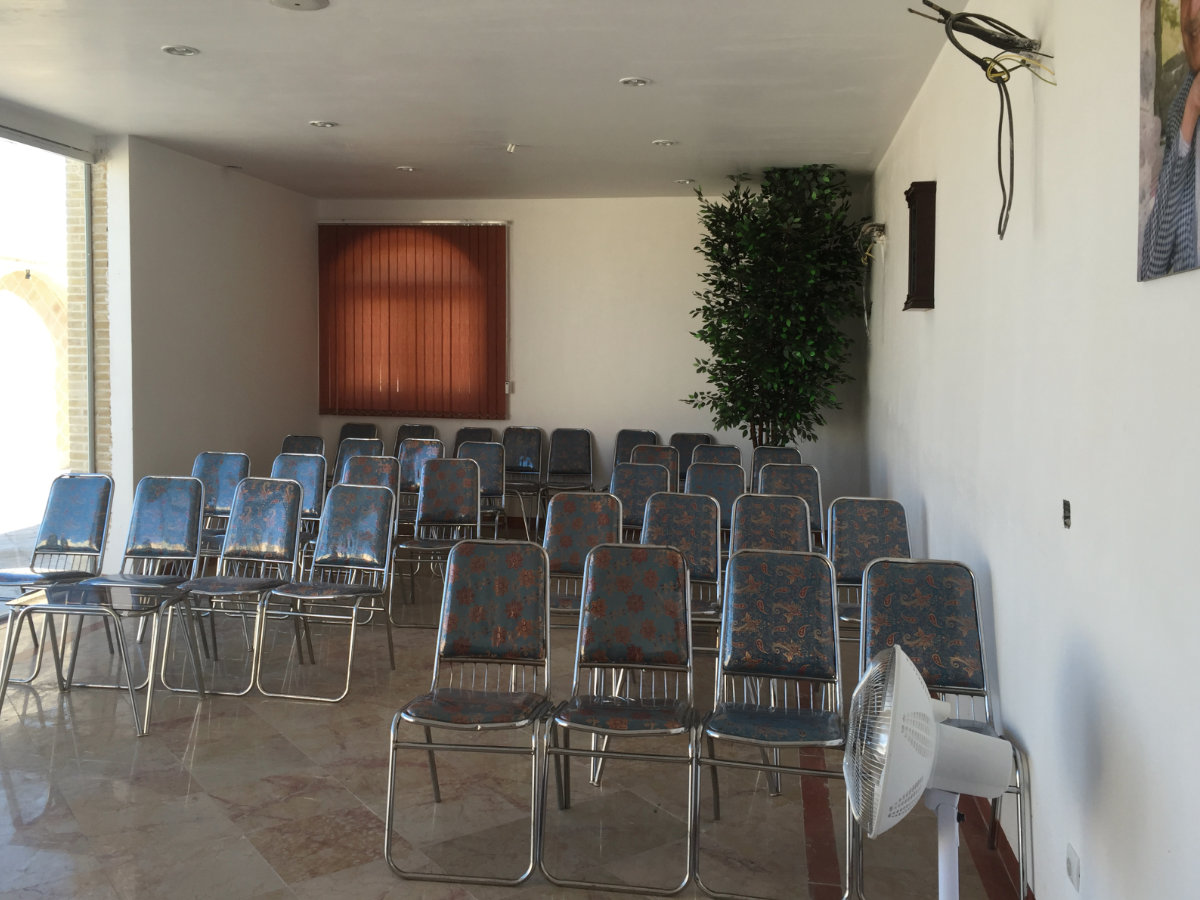
Above the central water channel and fountains, the main building, which was once his summer retreat, has now been transformed into a grand library, open to visitors every day. The complex also includes a hall for special events and conferences, as well as guest accommodations for visitors from other cities attending events at the site.
A Sanctuary of Culture and Community
Beyond the main pavilion, an old orchard with fruit trees extends toward the back of the complex. This serene space has been designed to serve as a seasonal café, allowing guests to enjoy the garden in the summer months.
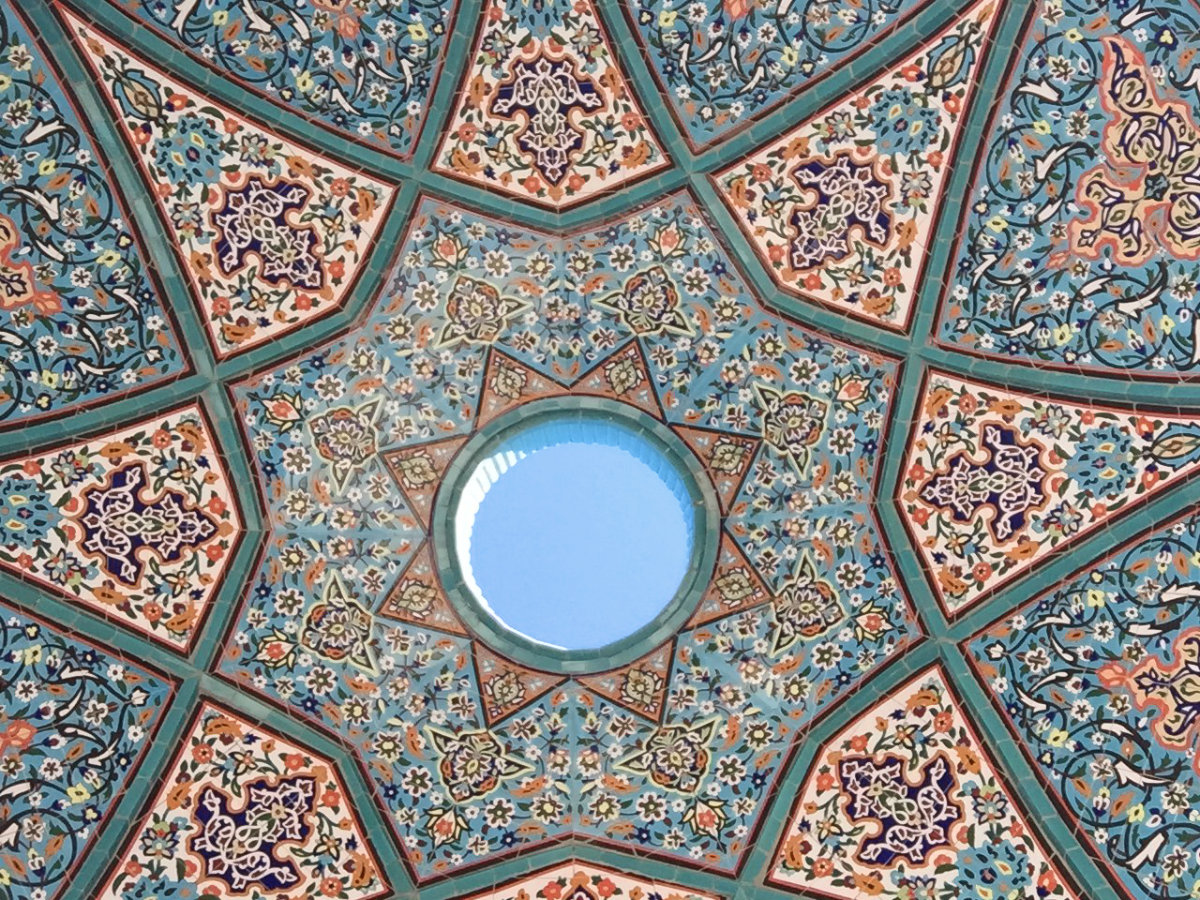
One of the most remarkable features of the pavilion where the couple is buried is its custom-made tiles, designed by the son of an old master craftsman. The tiles depict cypress trees—a symbol of life in Persian culture—while bent cypress trees symbolize death, a poetic and deeply meaningful artistic expression.
A Gift to Kerman and Its People
Located in Jopaar, a small retreat 25 km from the provincial capital of Kerman, the Sadeghieh complex has enriched the region, serving as a shining example of deep connection to one’s homeland. It stands as a testament to the importance of giving back to the people and the place where one was born.
This historical aesthetic and sustainable approach became the foundation of the Sadeghieh project. The combination of architectural heritage, social values, and future-oriented support for education makes this place a timeless legacy—one that offers hope, knowledge, and inspiration to generations to come.