
 LIMBACH Business Park
Bad Honnef, Deutschland
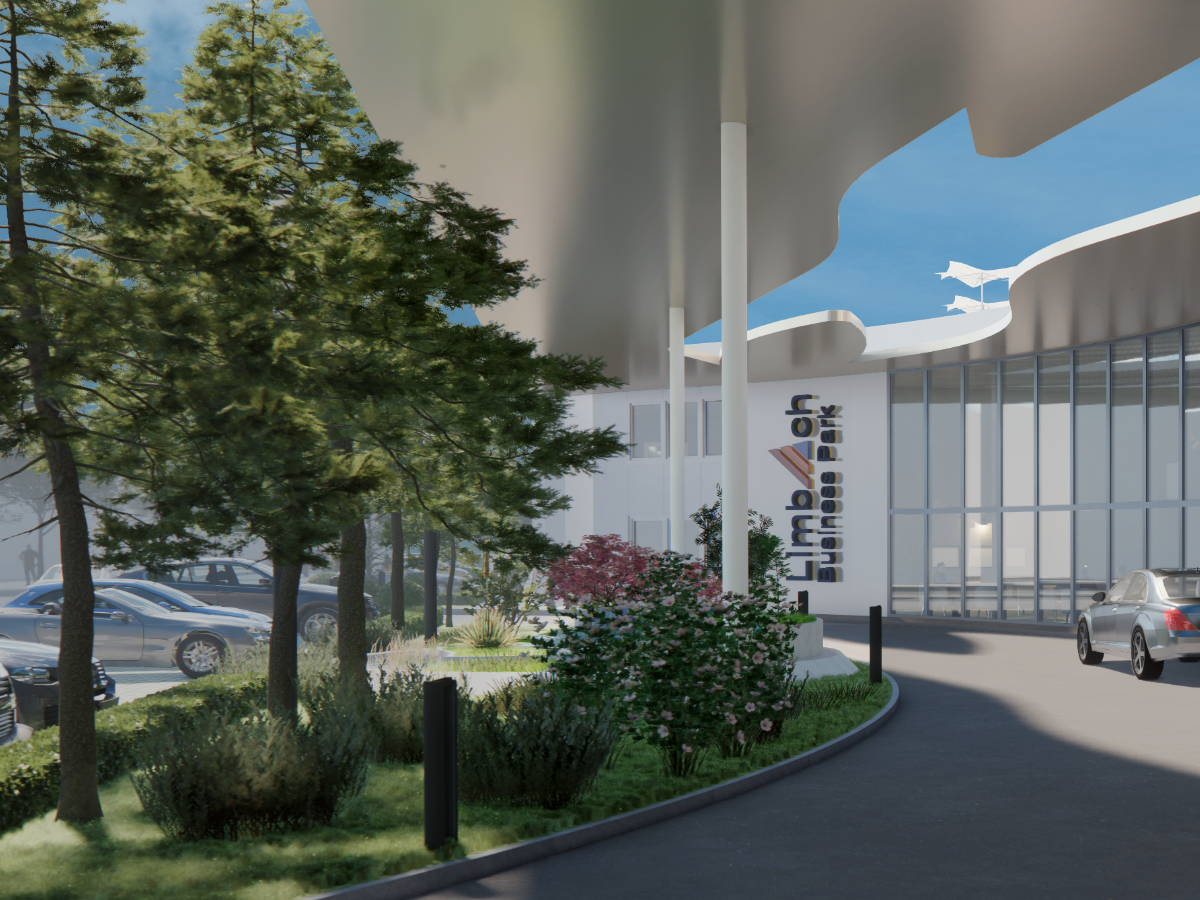
Project type: New Building
Client: LIMBACH Flugmotor
Function: Industrial production with office
Area: 31.000 m2
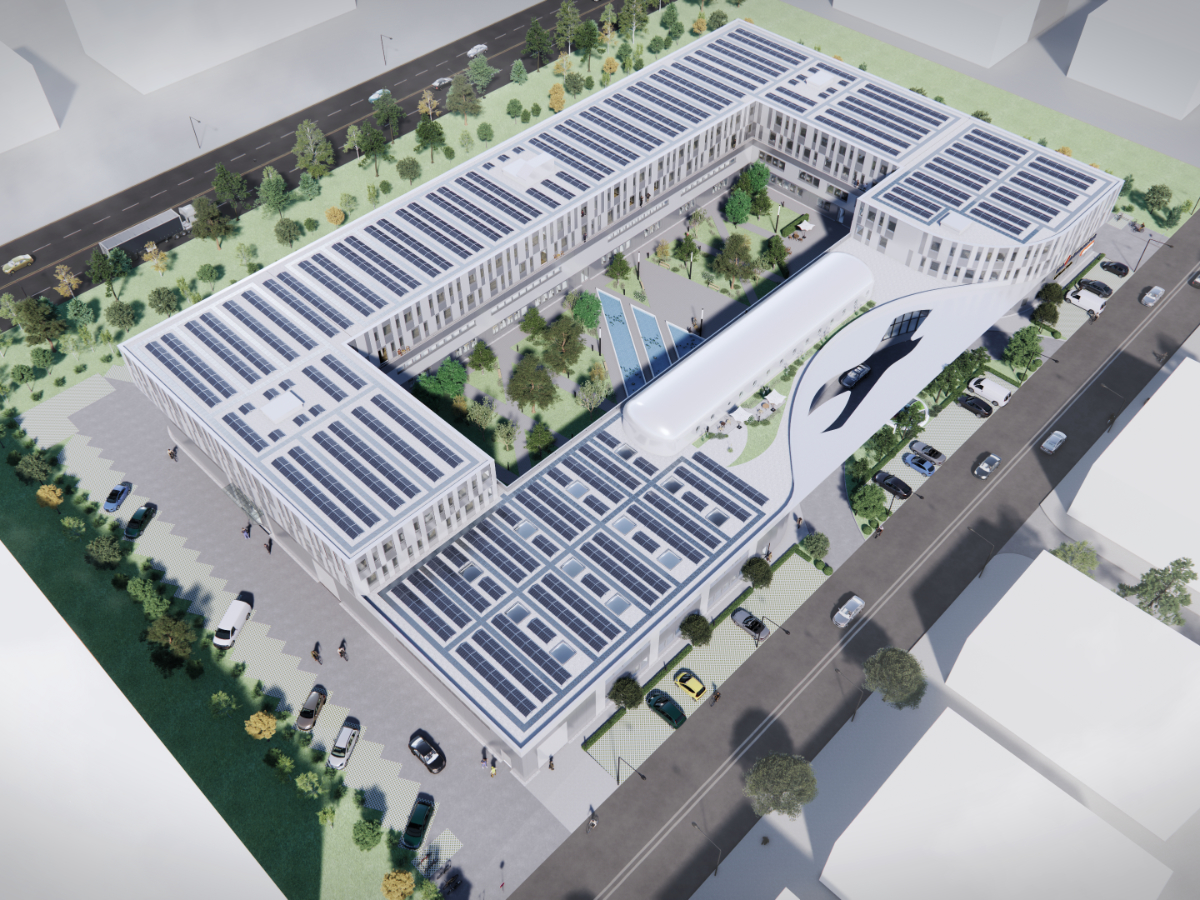
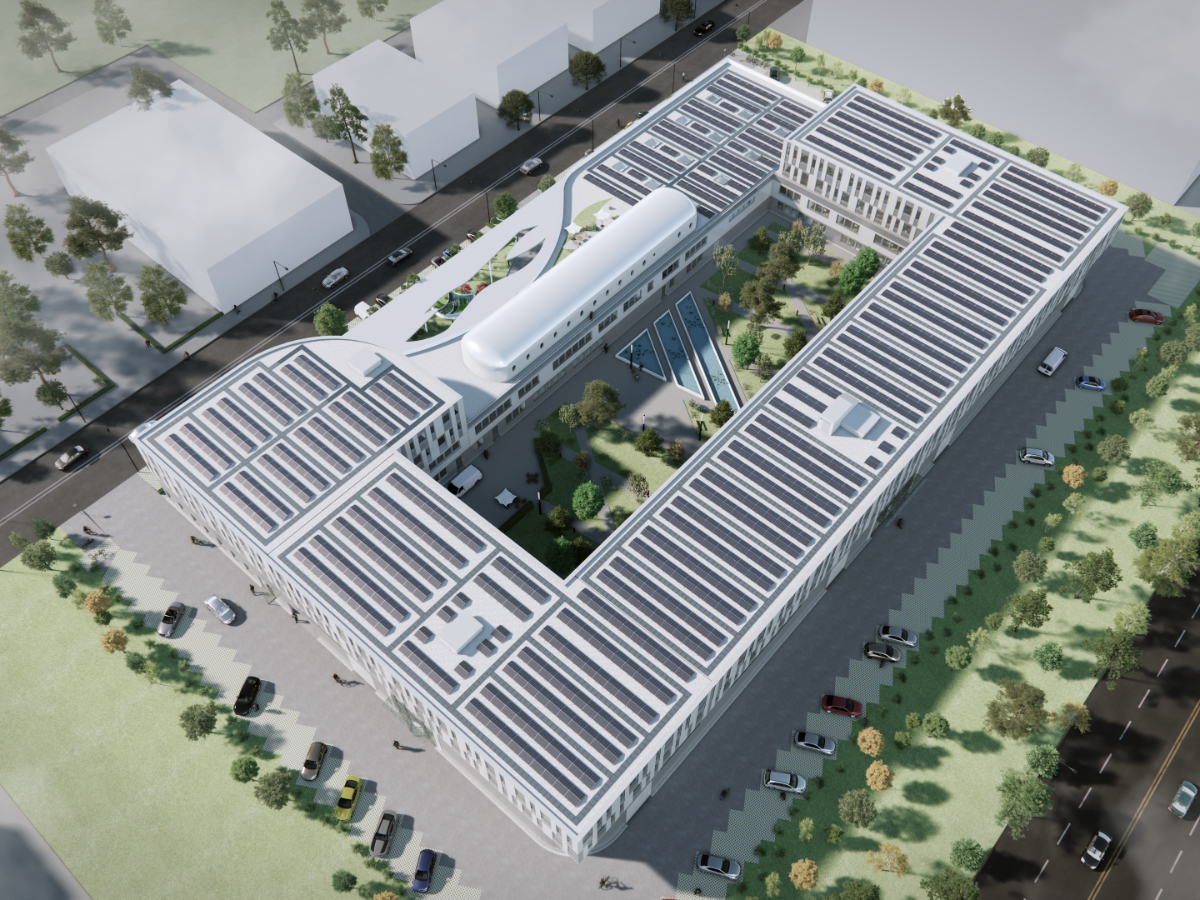
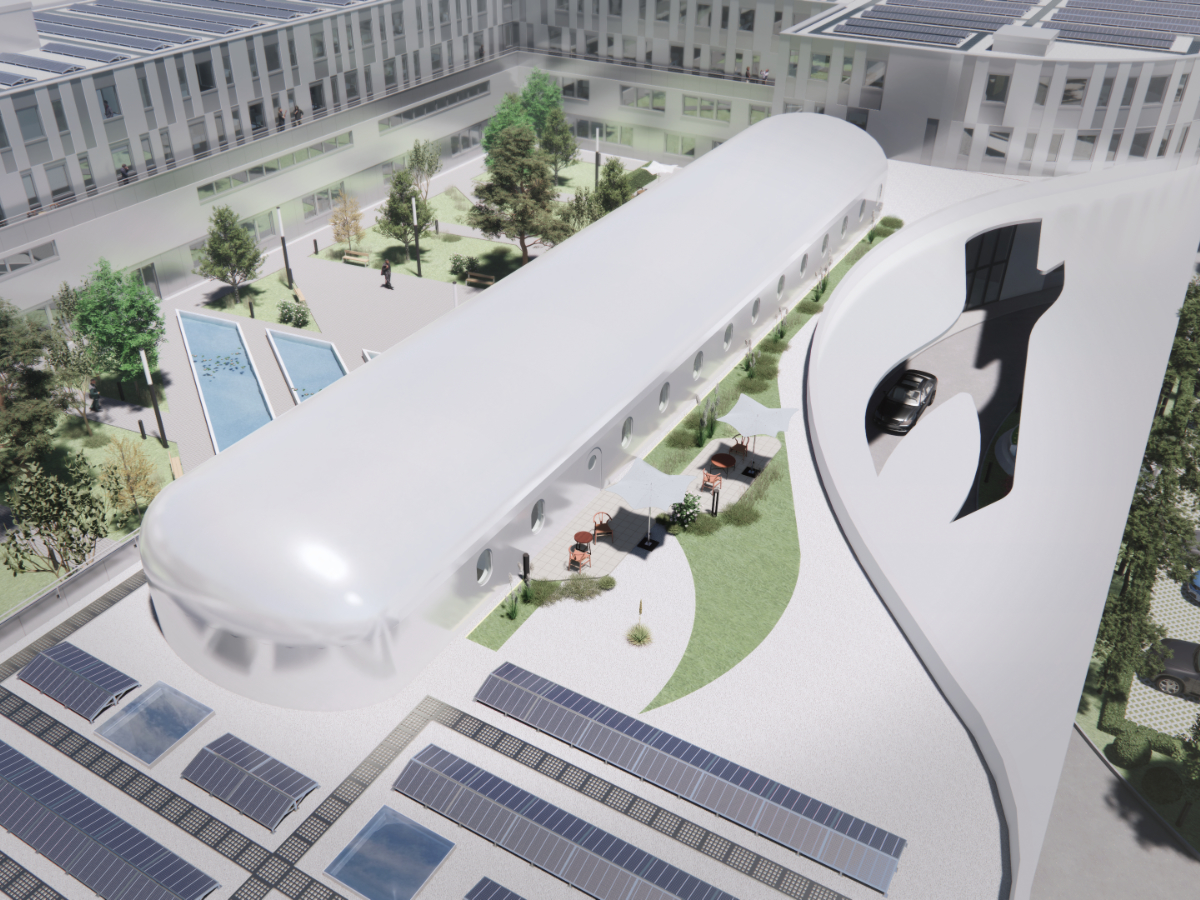
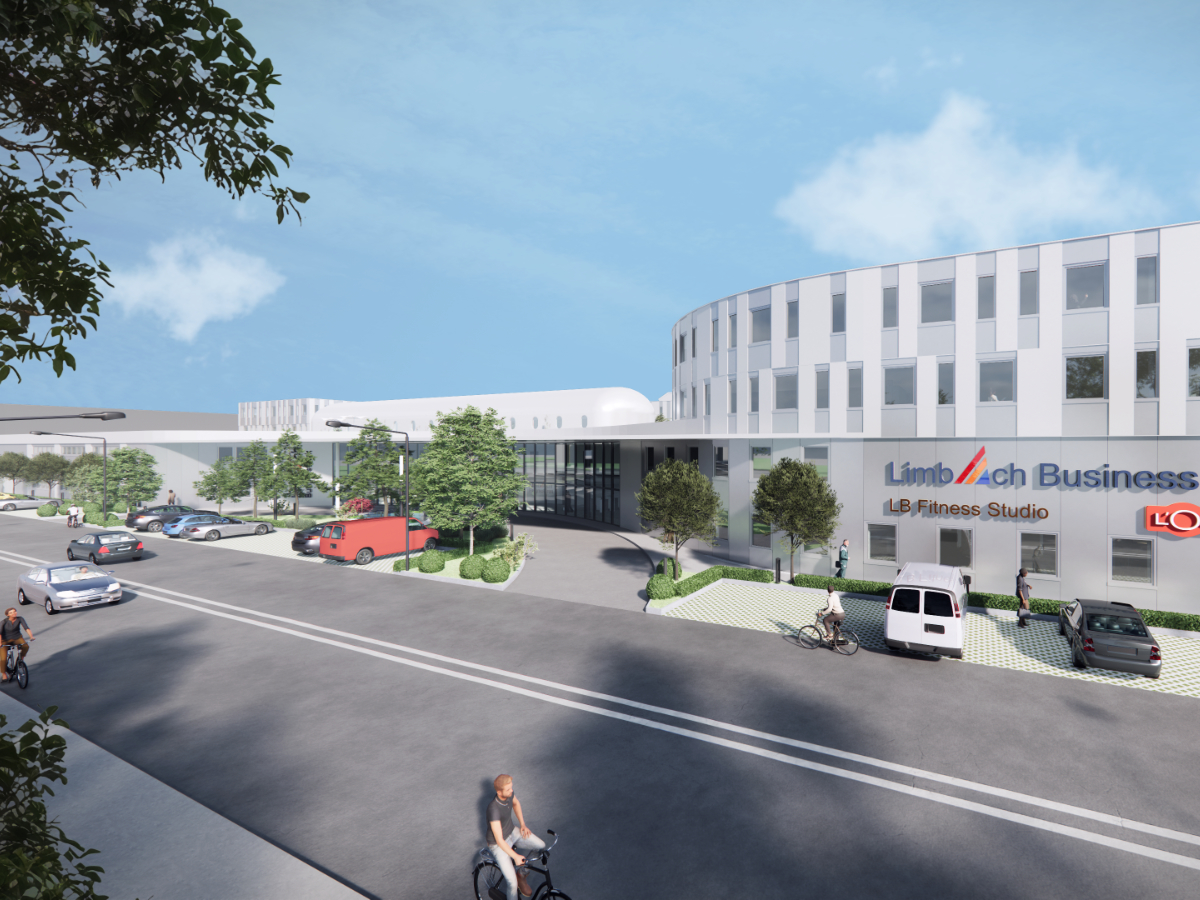
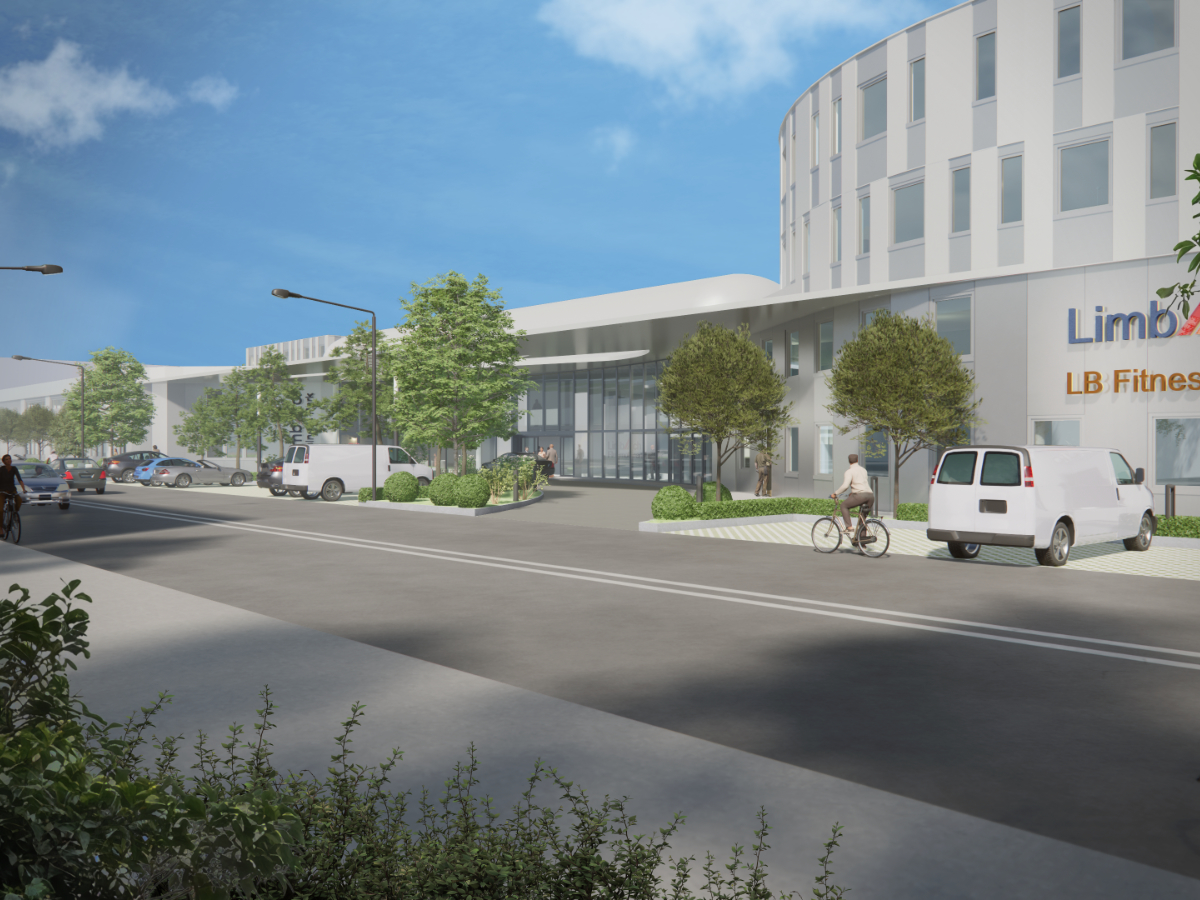
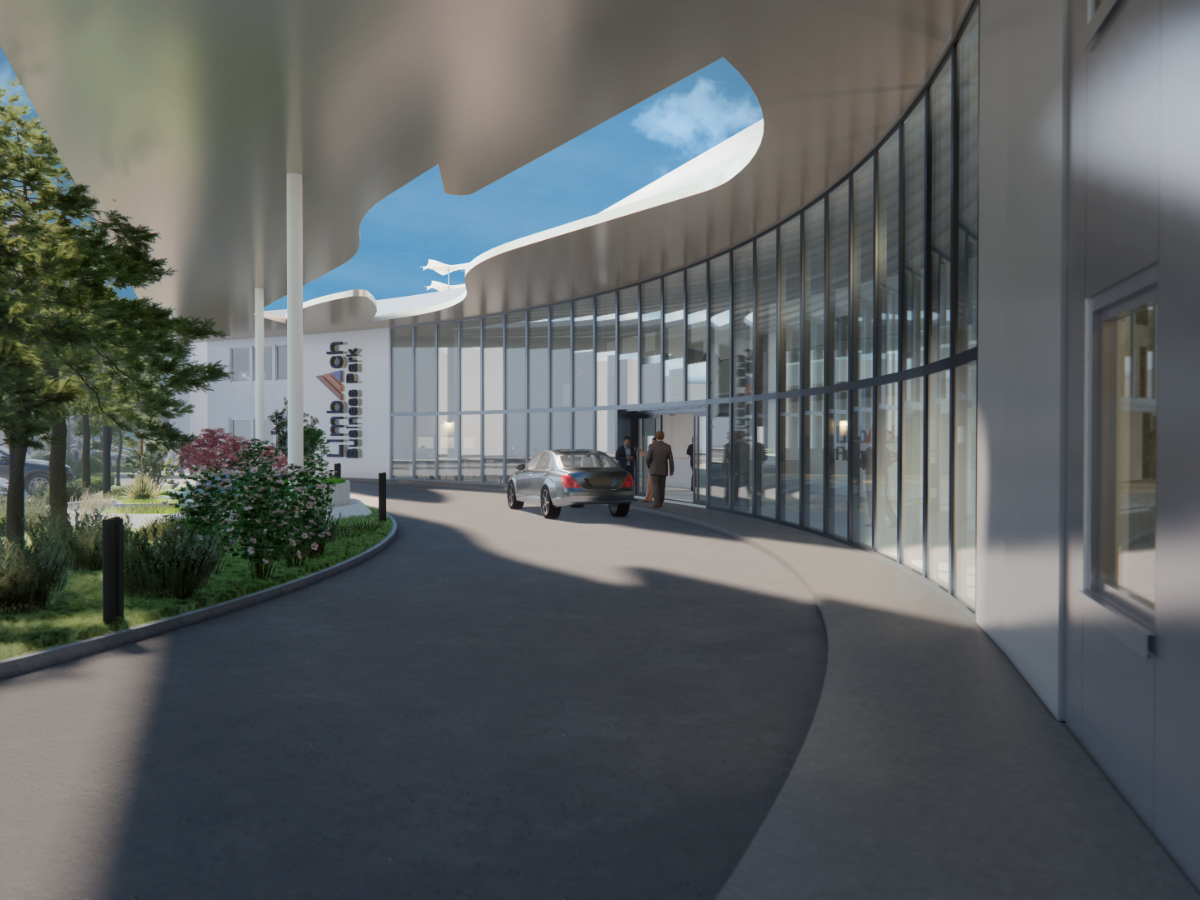
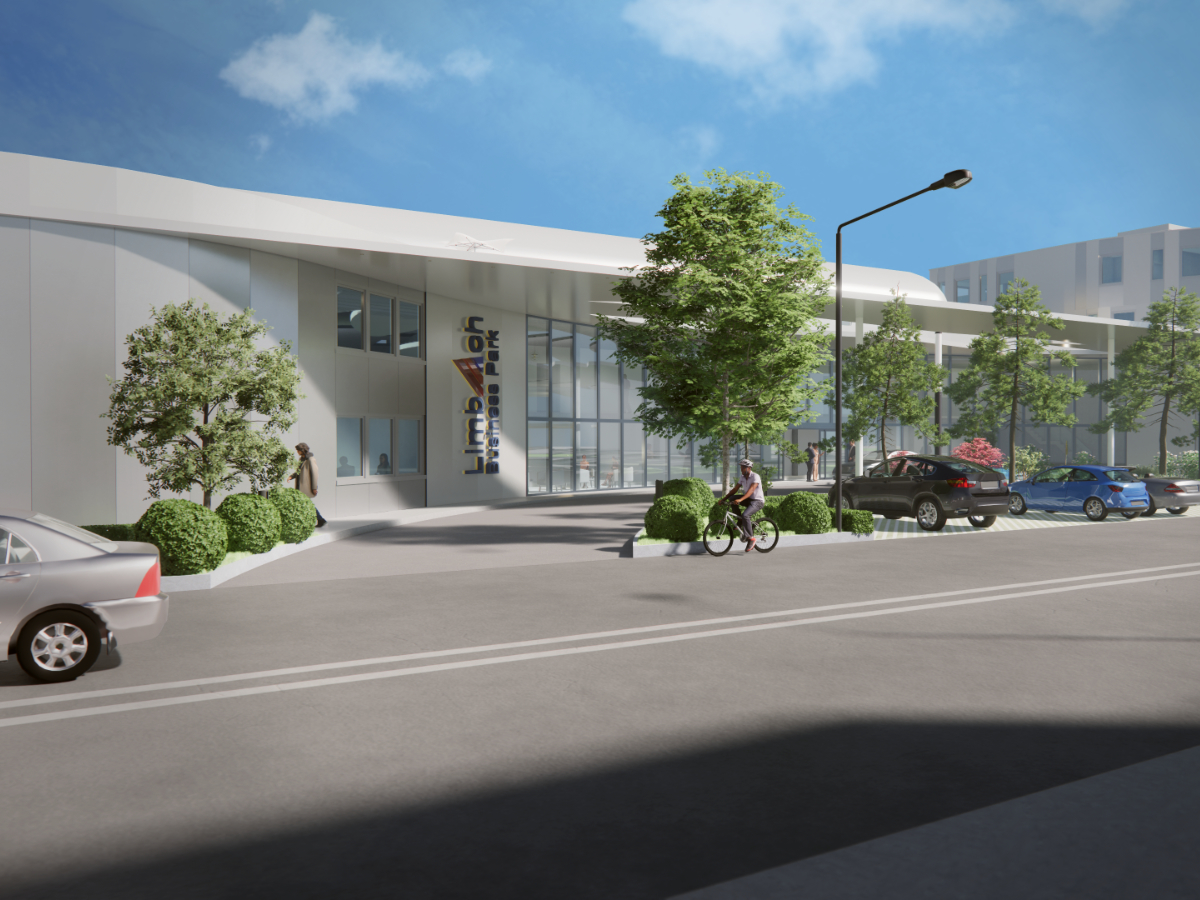
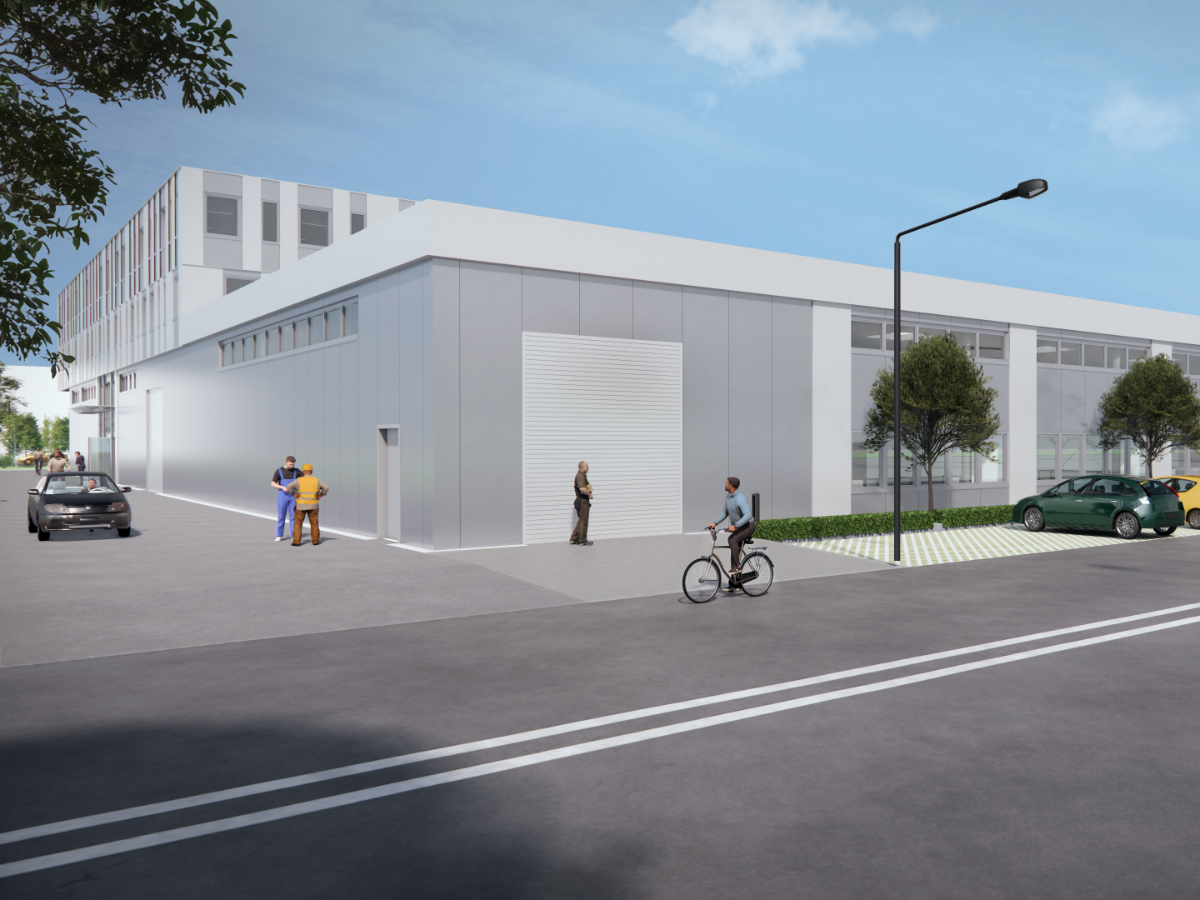
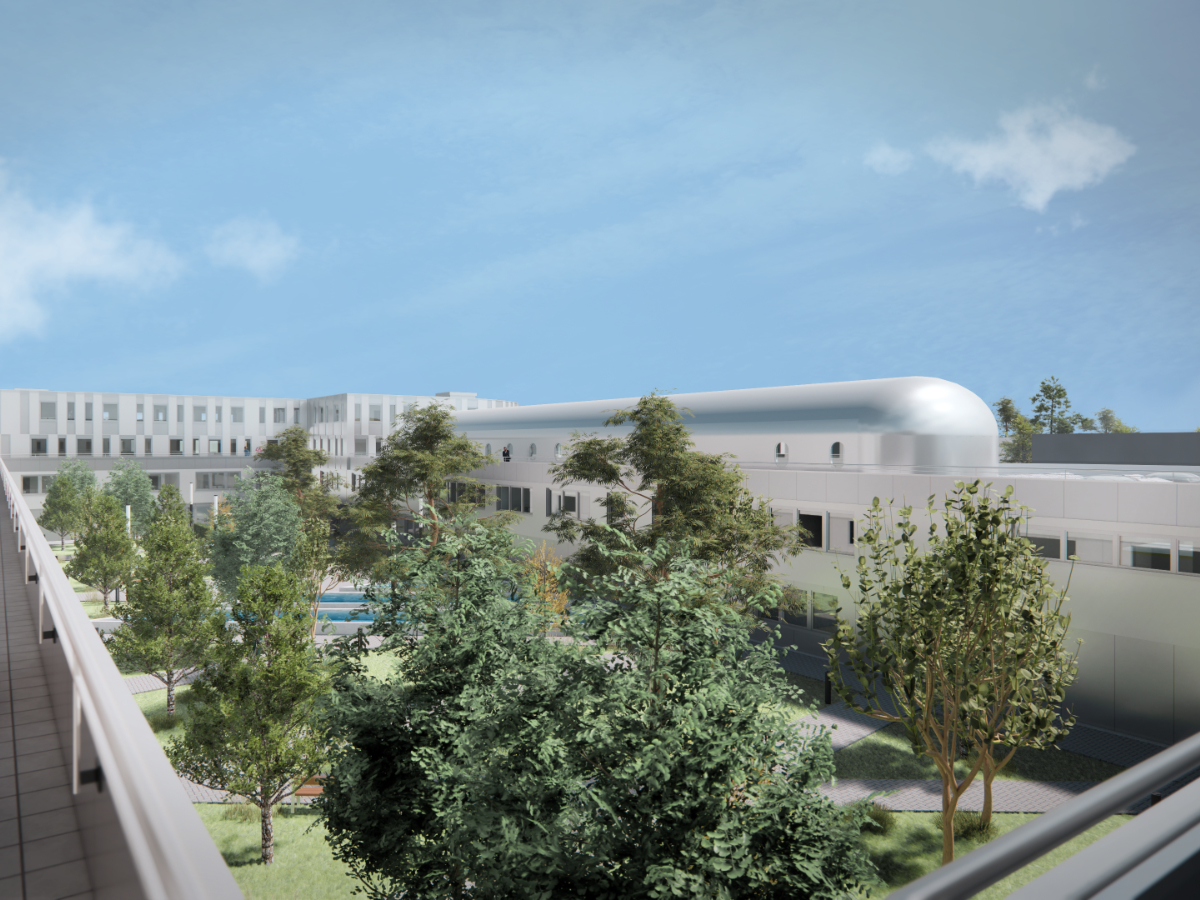
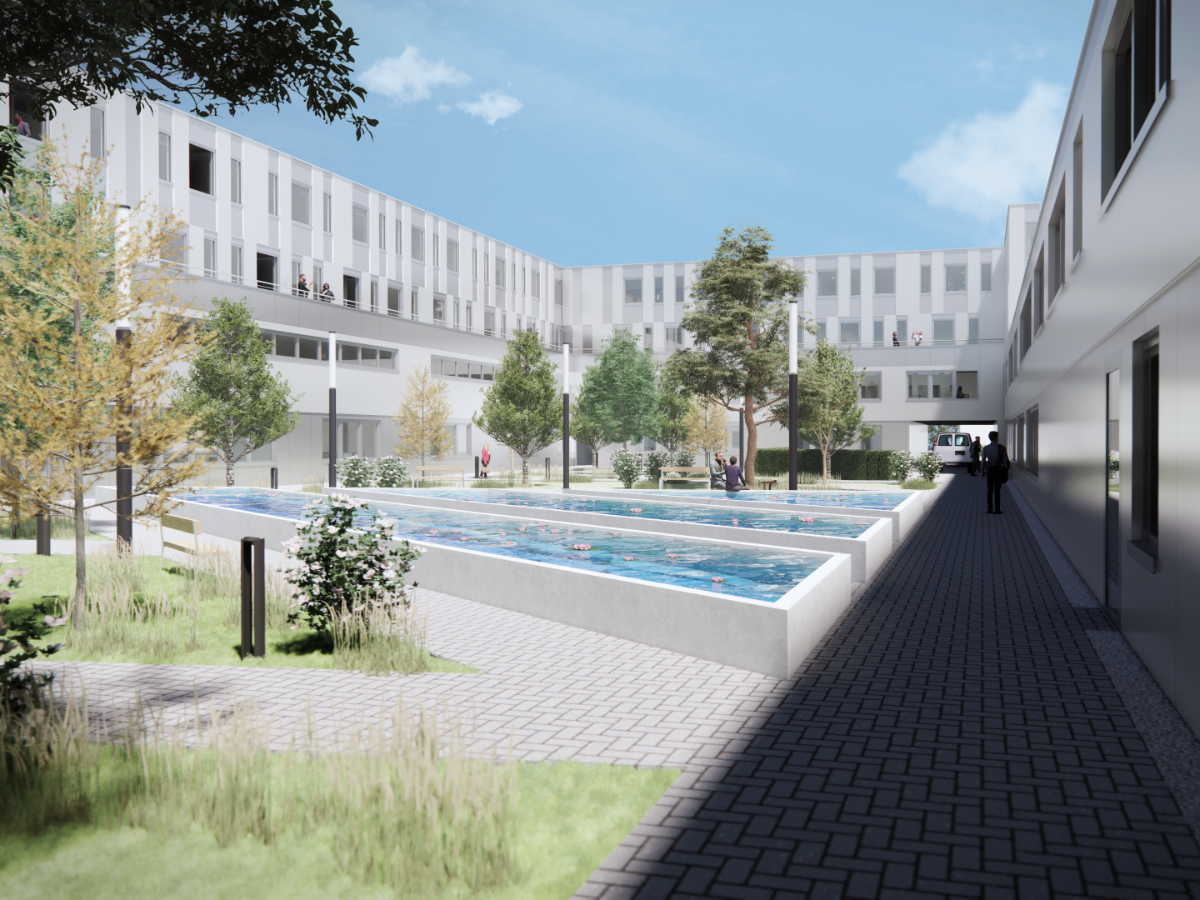
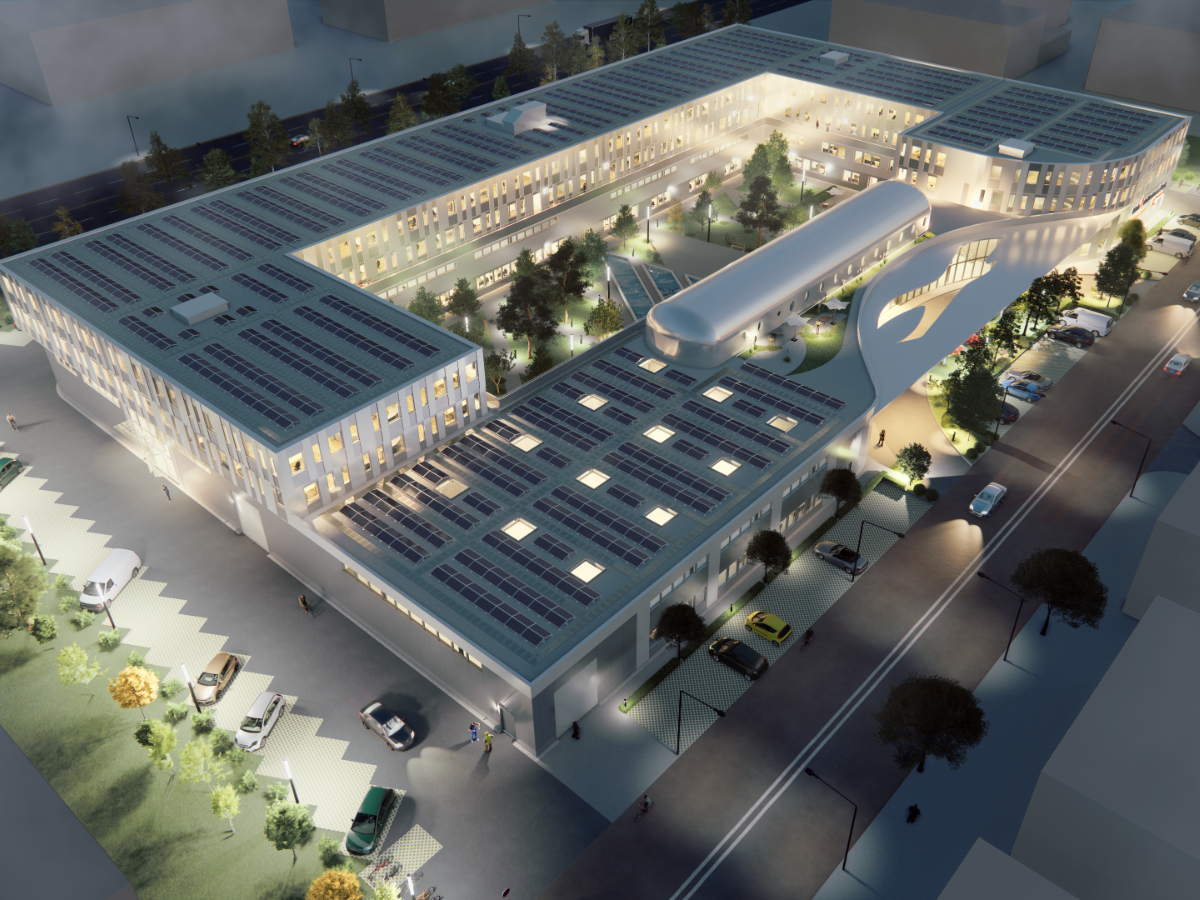
LIMBACH Business Park: A New Typology for Productive Work Environments
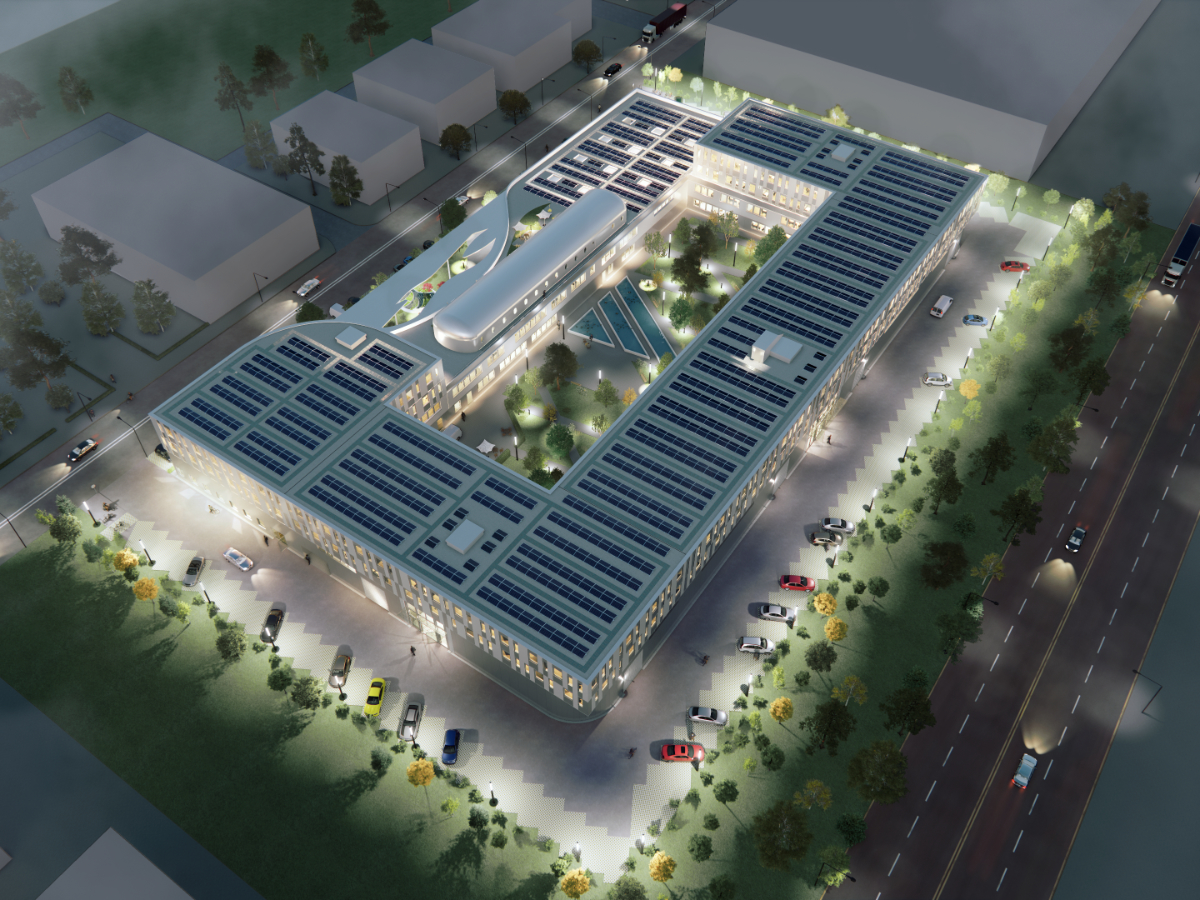
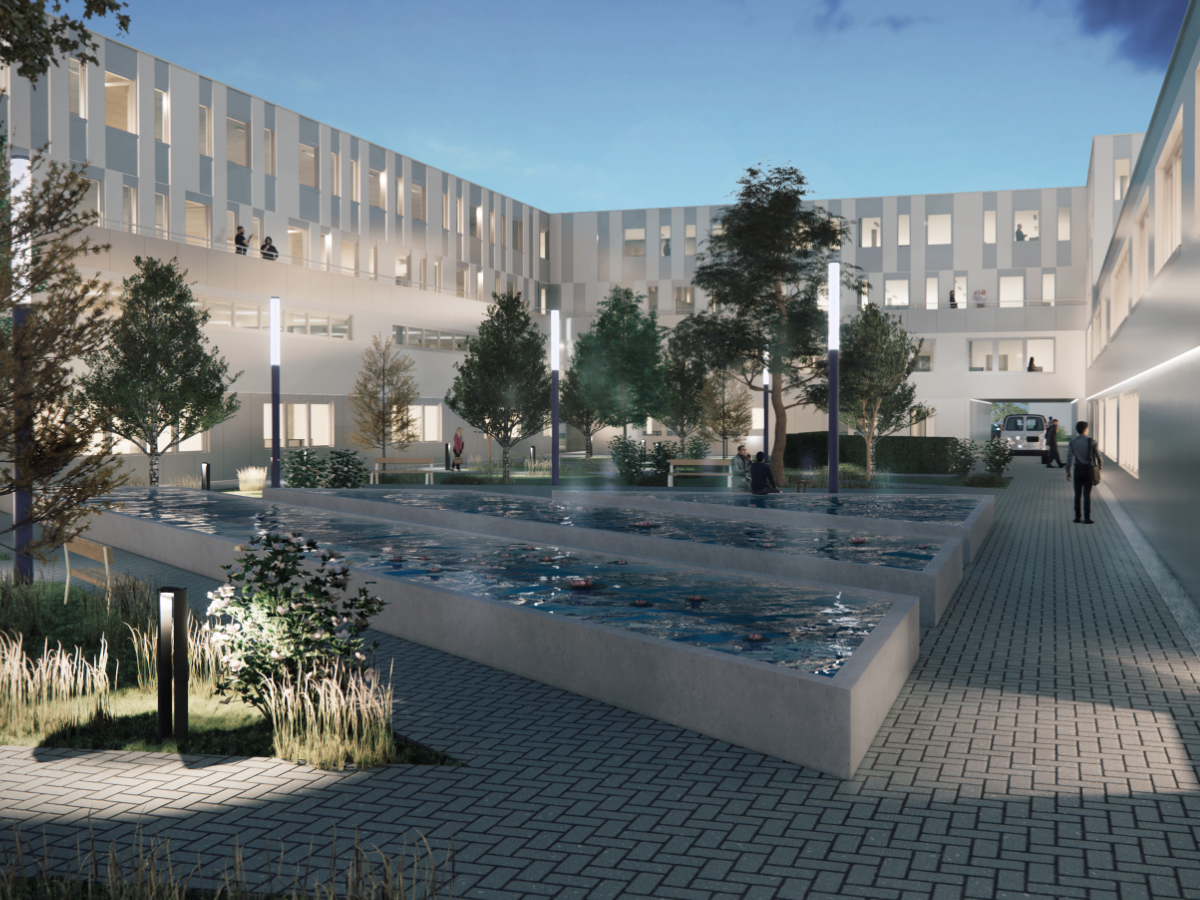
The LIMBACH Business Park in Bad Honnef redefines the workplace as a flexible, health-oriented, and future-ready ecosystem for companies in light industry and the service sector. Situated on a 13,000 m² site, the project brings together efficiency, modularity, and human well-being within a clear and contemporary architectural framework.
Modularity as a Principle of the Future
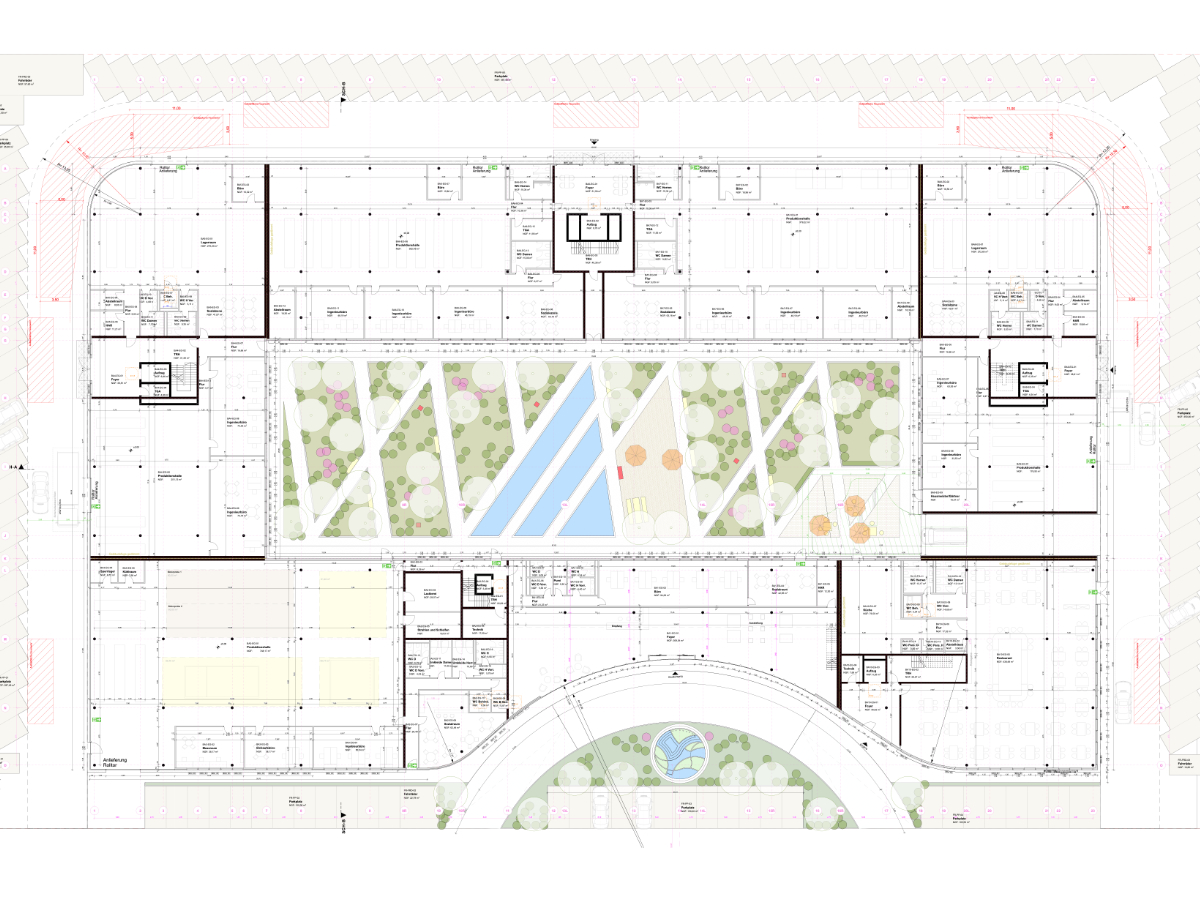
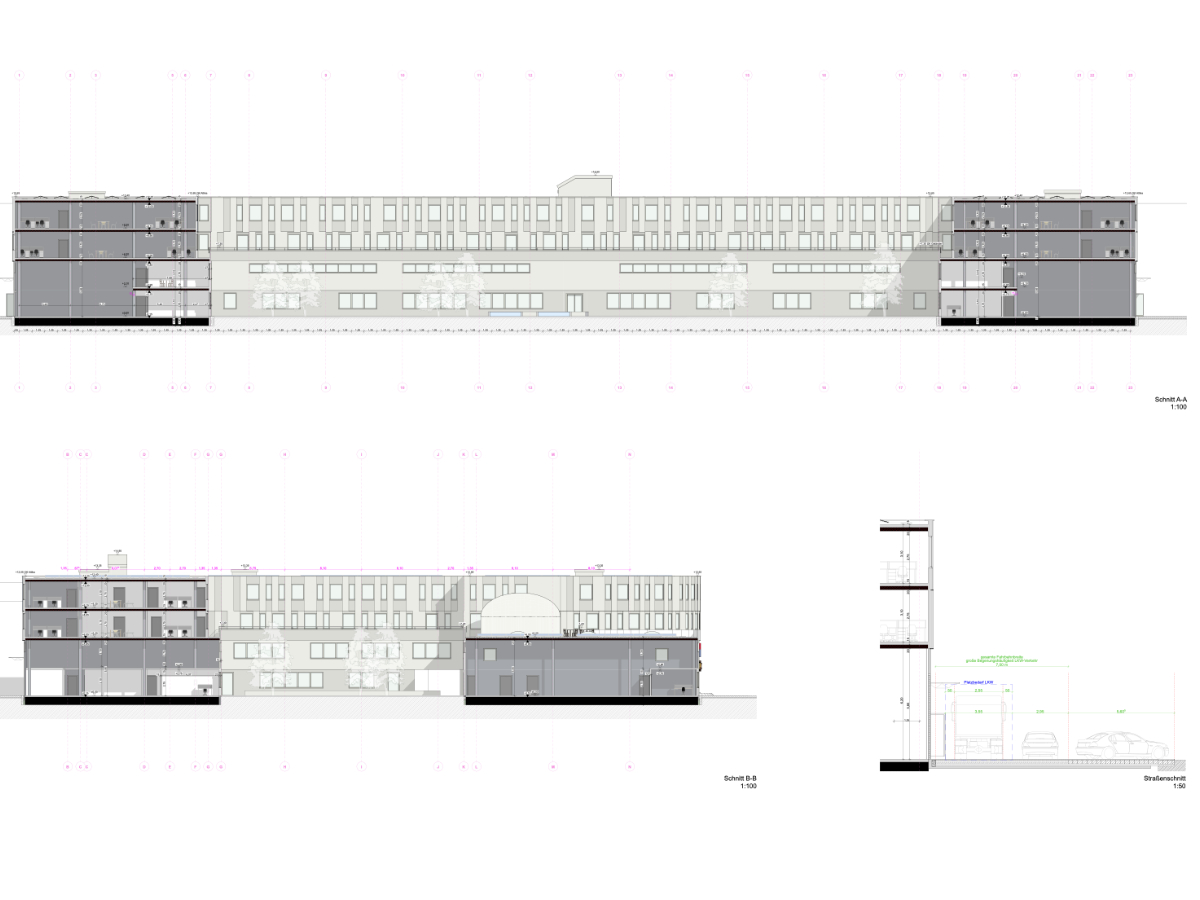
The project is based on a modular construction and spatial system that allows for maximum adaptability. Freely combinable units can be expanded, reconfigured, or rearranged according to changing needs. This approach creates a sustainable architectural solution capable of responding to evolving work structures and organizational demands over time.
Open Structures, Individual Work Environments
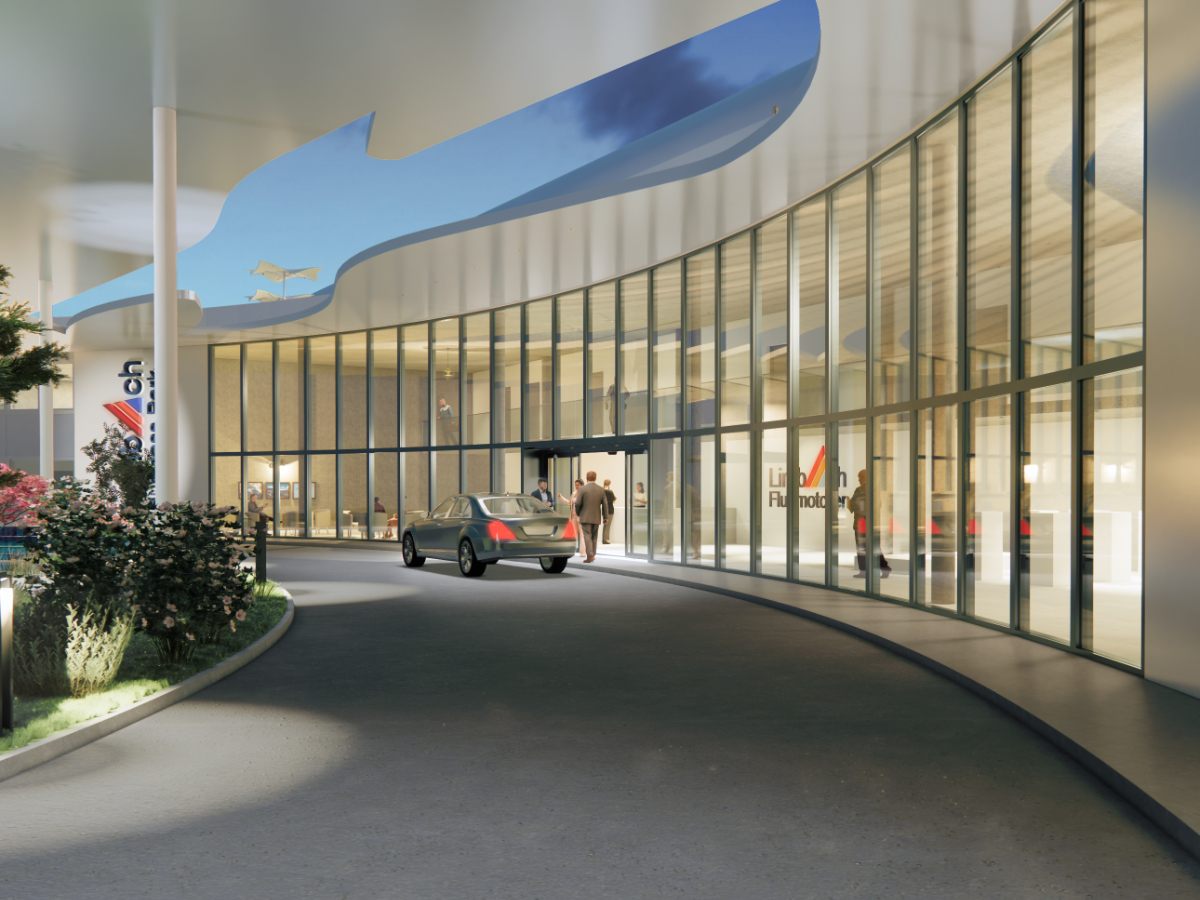
An open and transparent spatial layout forms the foundation for diverse modes of working. A variety of workspace typologies – from collaborative zones to quiet retreat areas – supports a needs-based working environment. The architecture actively enables different work modes, fostering both focused productivity and dynamic interaction.
Health as an Integral Part of Architecture
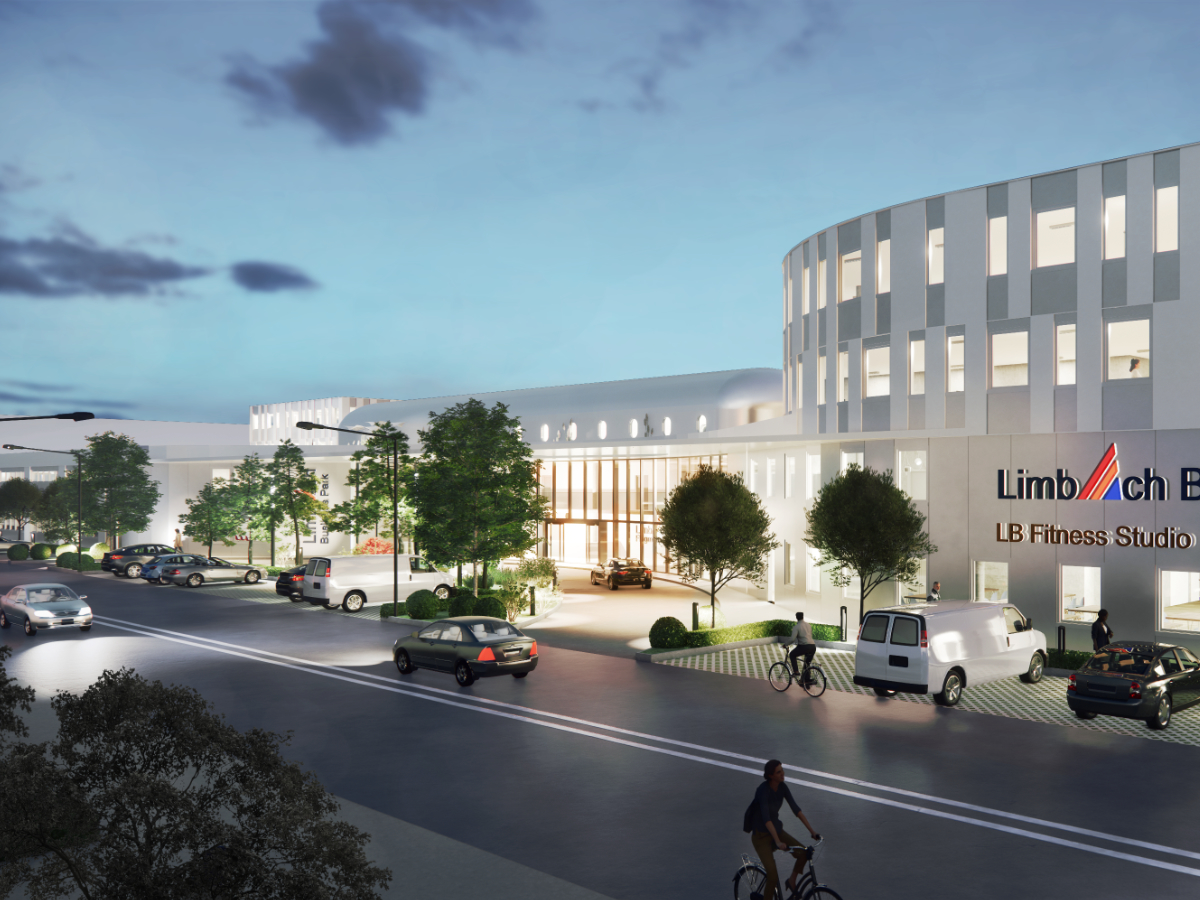
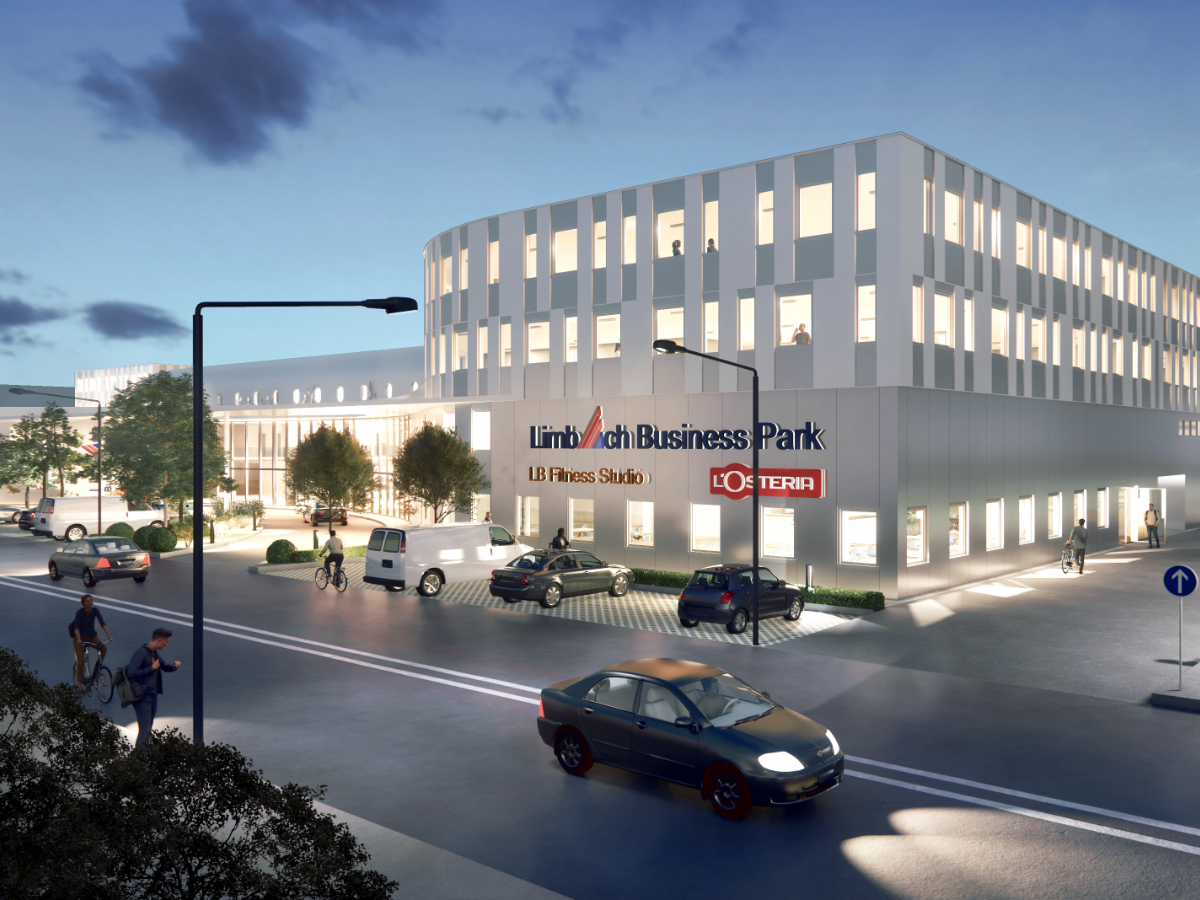
A key component of the concept is the integration of health-oriented functions. A dedicated gym and a restaurant, which also serves as a canteen for employees, provide spaces for regeneration, social interaction, and daily well-being. These elements are seamlessly embedded into the overall design, contributing to increased productivity and a healthier work culture.
Space as a Social and Functional Network
The architecture is conceived not as a static structure but as a dynamic network of spaces, functions, and interactions. Communication areas, flexible units, and clearly organized circulation zones encourage exchange and support a vibrant and collaborative work environment.
Efficiency and Sustainability in Balance
With a site coverage ratio (GRZ) of 0.8 and a floor area ratio (GFZ) of 2.4, the project ensures efficient land use while preserving generous green and infiltration areas. These contribute to the ecological quality of the site and improve the microclimate. The clear spatial organization also supports long-term economic and sustainable operation.