
 Earthquake Museum
Bam City, Kerman Provinz, Iran 2004
Project type: Design
Client: Bam City
Function: Museum
Area: 30.000 m2
Earthquake Museum – A Place of Remembrance and Awareness
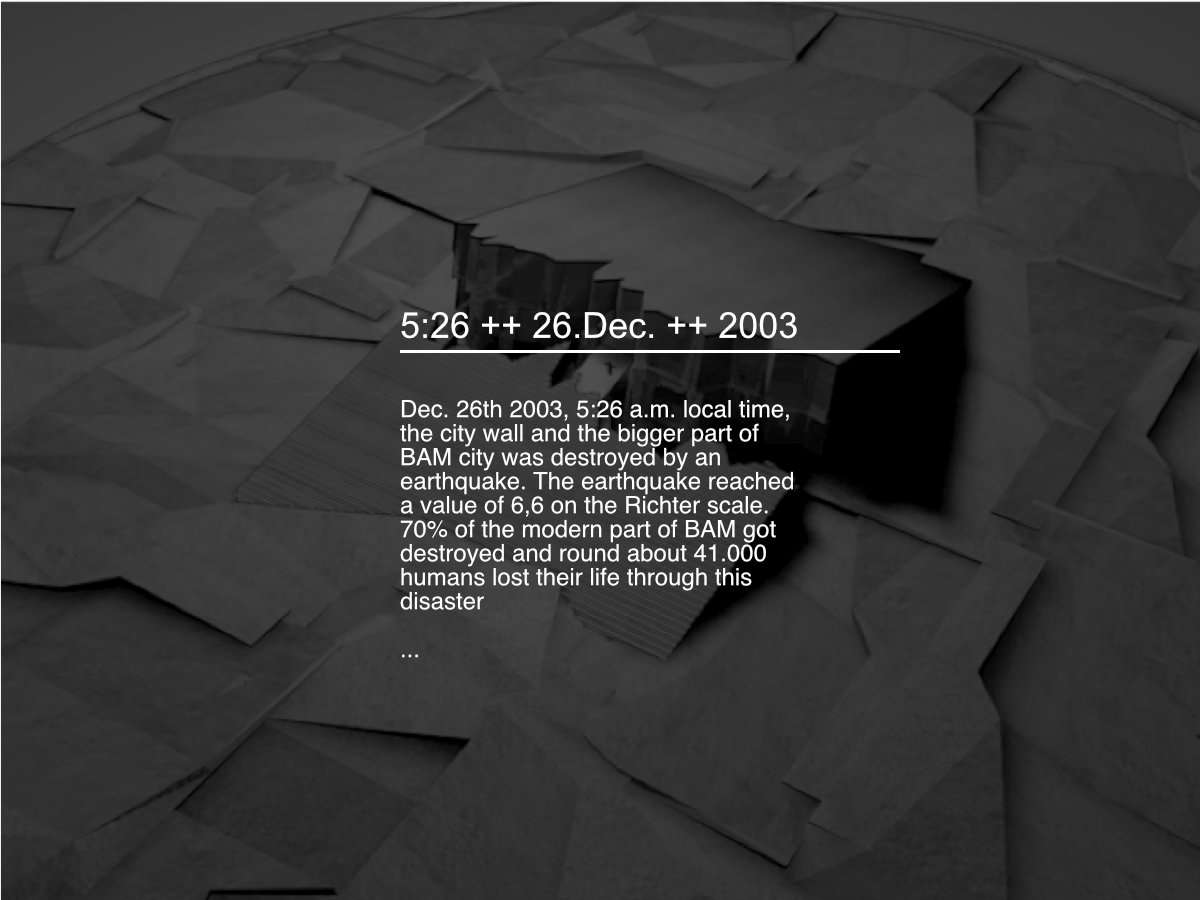
After the devastating earthquake in Bam City, which claimed the lives of over 30,000 people, we participated in an international competition to design an earthquake museum at the highest architectural level—a project that stands unparalleled in its form.
As someone originally from the Kerman Province, where Bam City is located, I have a deep understanding of the local environment and cultural traditions. The reconstruction of Bam was not just an architectural project for me but also a deeply personal and humanitarian duty, as I lost relatives in the tragedy. Contributing to this museum was more than just professional work—it was my responsibility as an architect and a human being to help rebuild and heal.
A Museum That Embodies Life and Death
I was invited to contribute to the design of the Earthquake Museum, and for me, the objective was clear:
The more people in this earthquake-prone region understand the dangers of seismic activity, the more likely they are to prioritize solid, earthquake-resistant construction and adopt a proactive approach to disaster preparedness.
My comprehensive vision for the museum focused on two core objectives:
- Education & Prevention:
- The museum serves as a learning center to educate children, students, and the general public about earthquake safety.
- By spreading awareness and knowledge, it aims to reduce risks and promote earthquake-resistant construction across Iran.
- Remembrance & Reflection:
- The museum also functions as a memorial for the 30,000+ lives lost in the earthquake.
- In Persian culture, families of the deceased have deep-rooted traditions of remembrance, particularly on Fridays, when they gather to honor lost loved ones—this museum provides them with a dedicated space for mourning and commemoration.
Architectural Symbolism & Design Concept
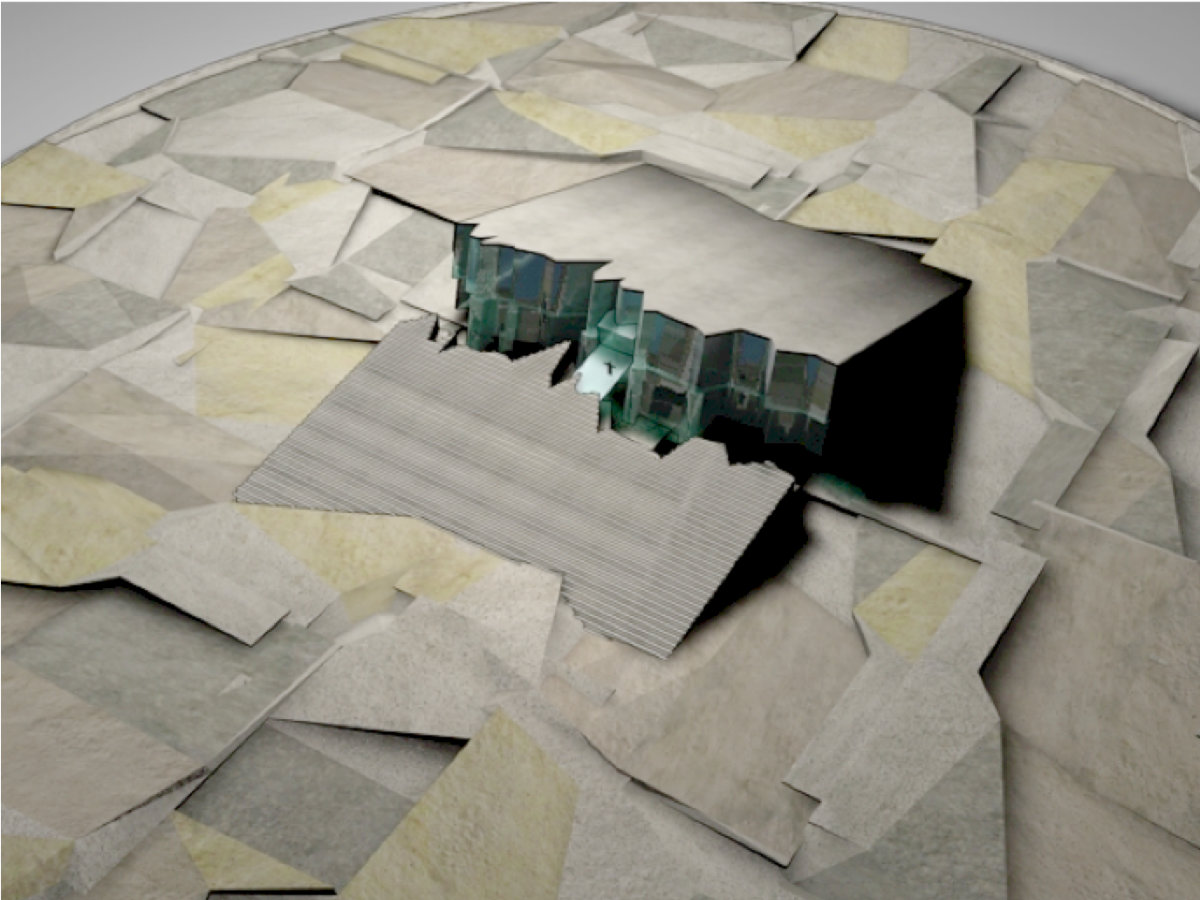
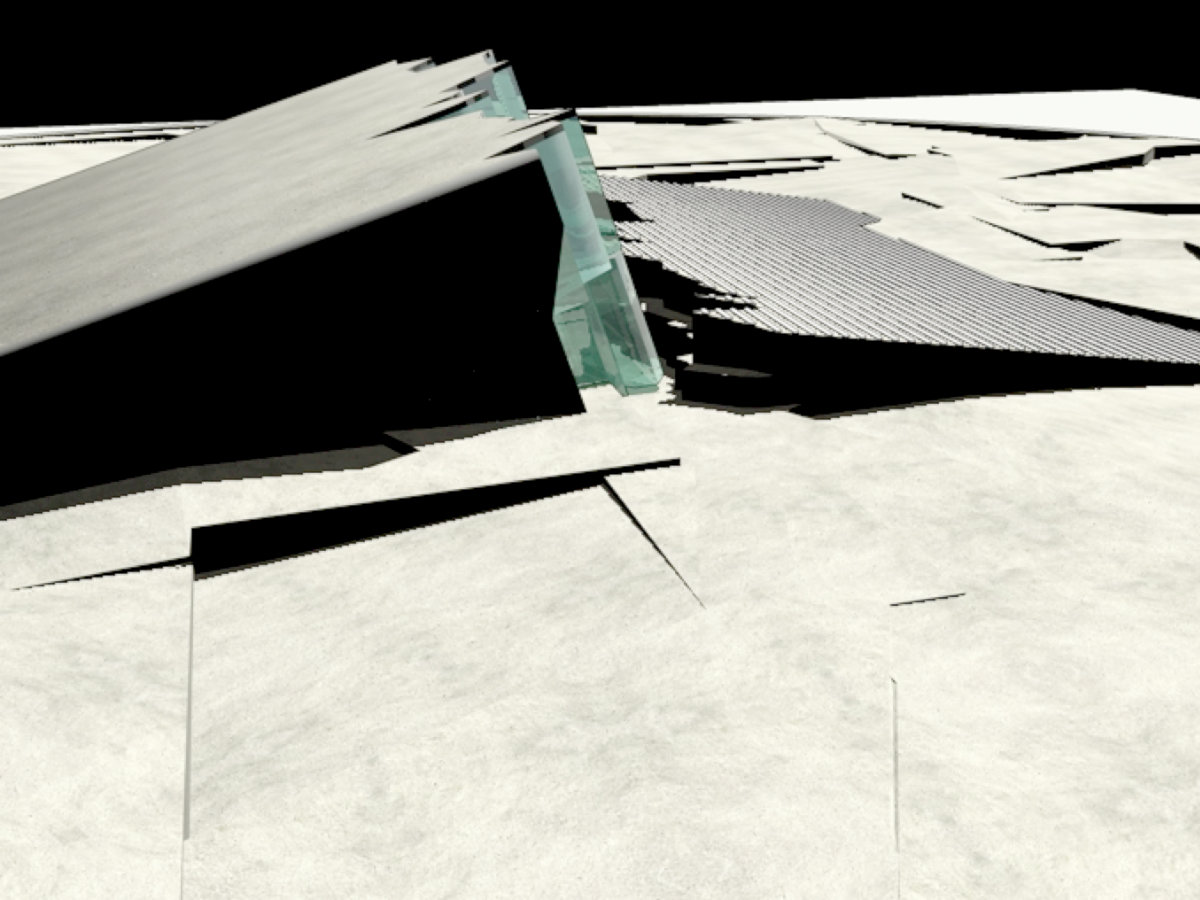
The museum is not just a building—it tells a story, embodying the themes of life, death, and reconstructionthrough its architectural language.
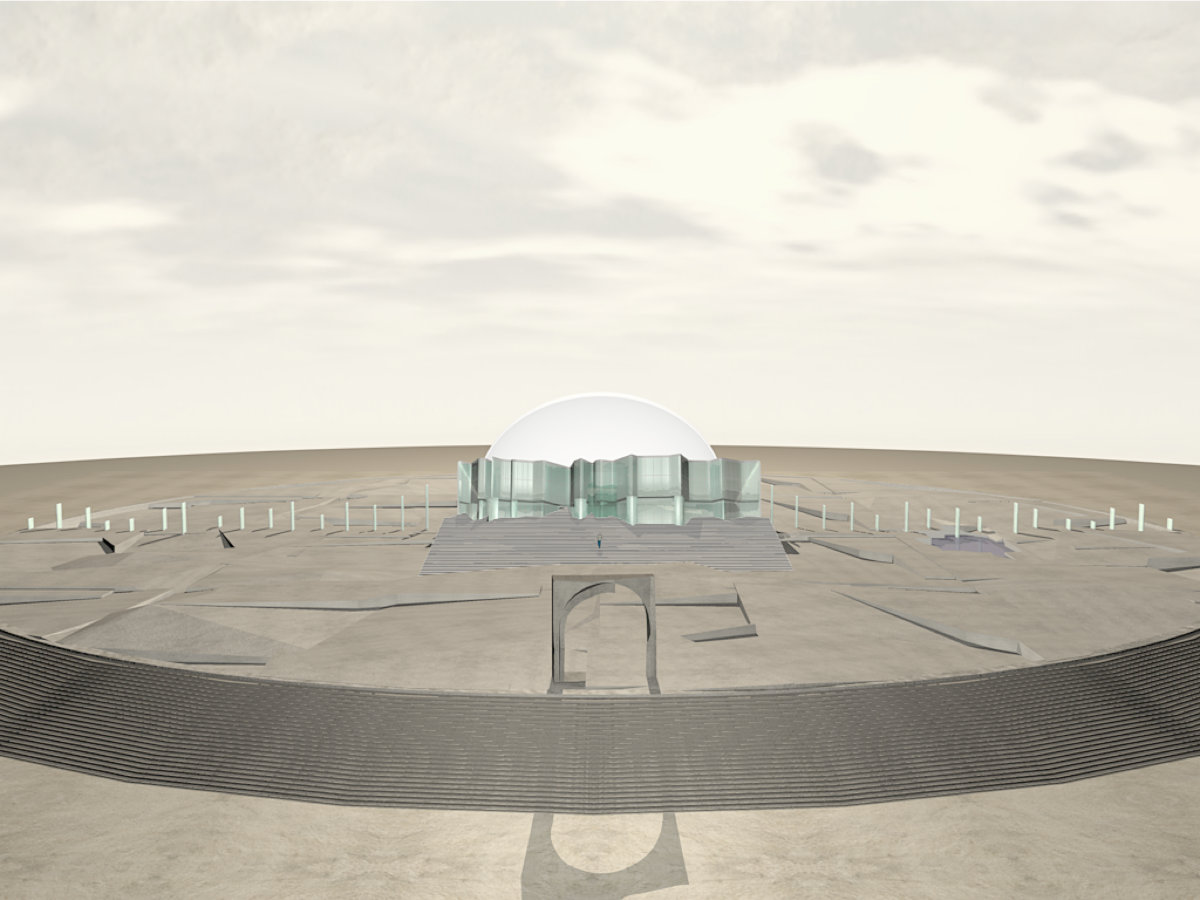
- Glass Facade as a Symbol of Fragility:
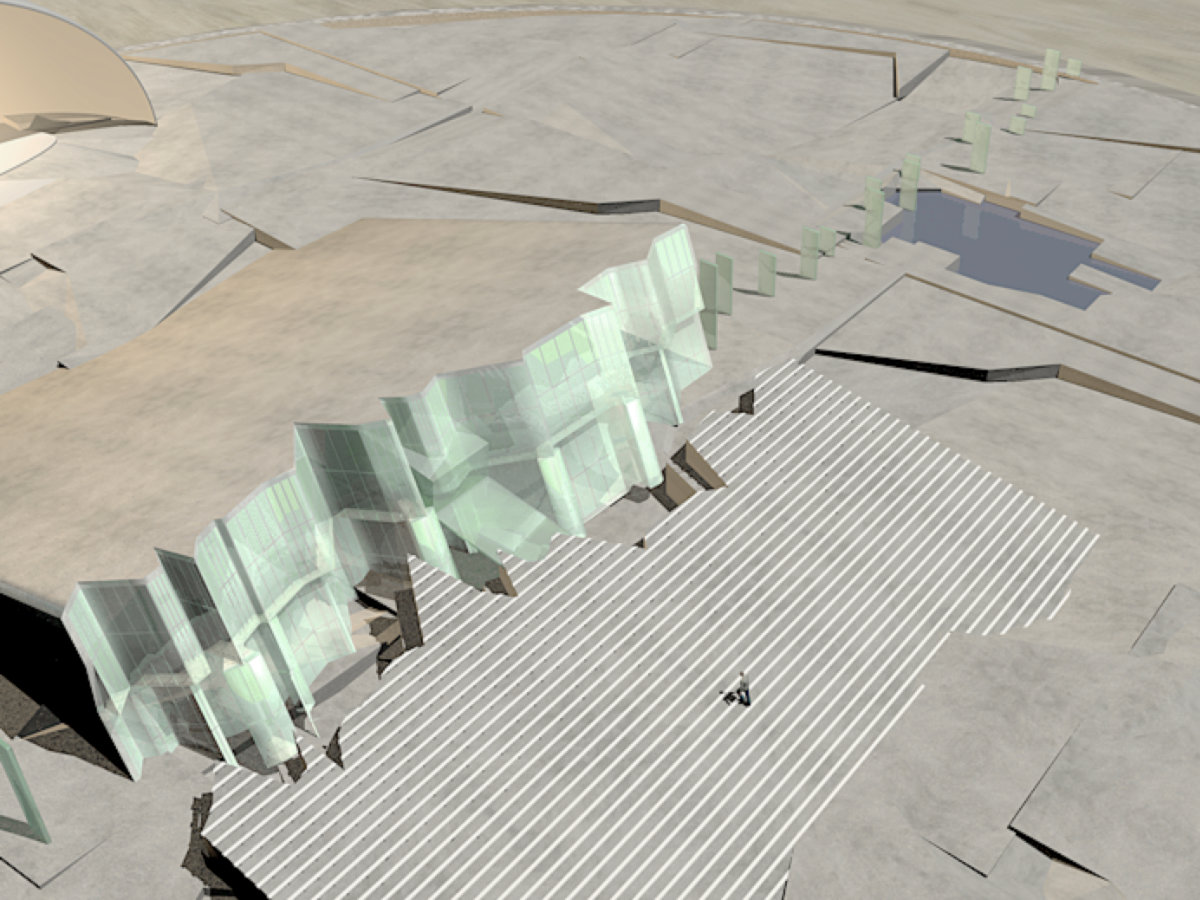
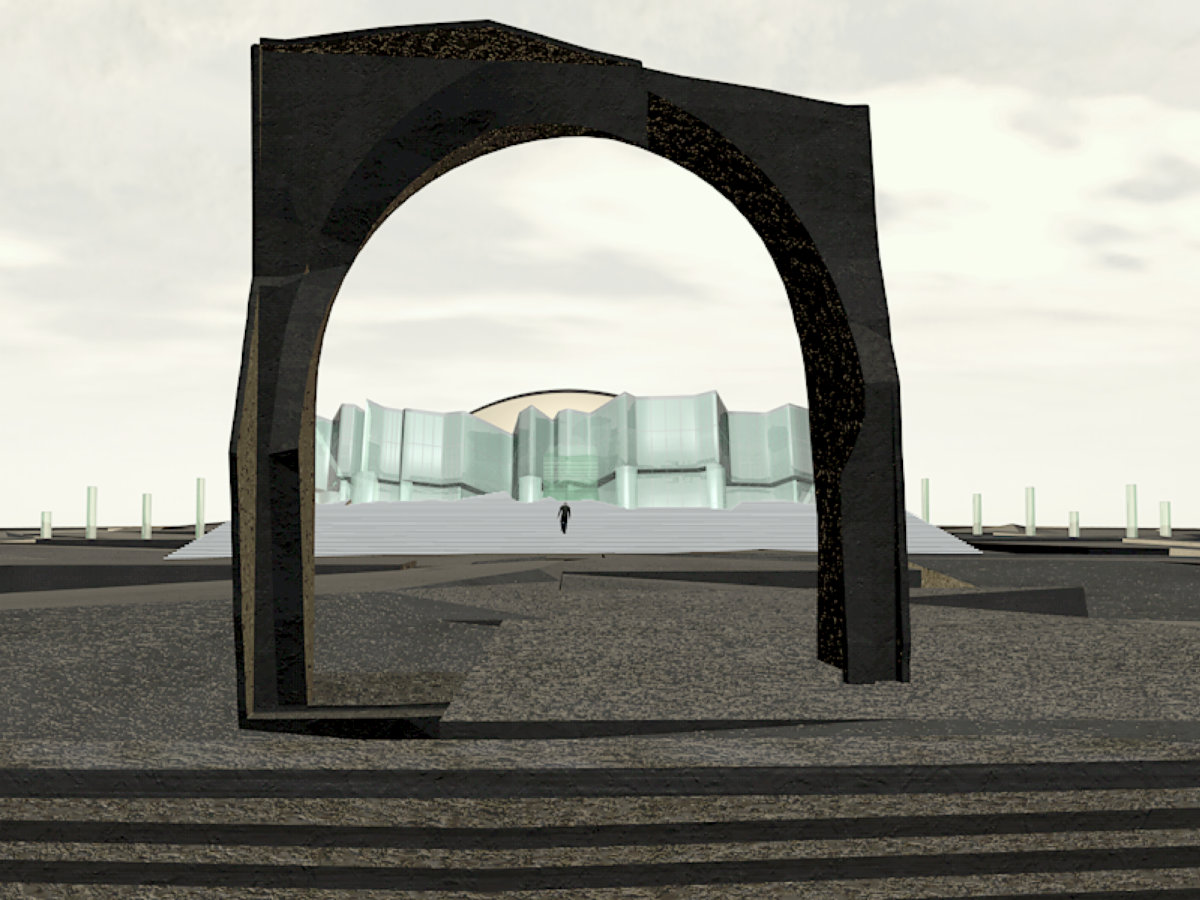
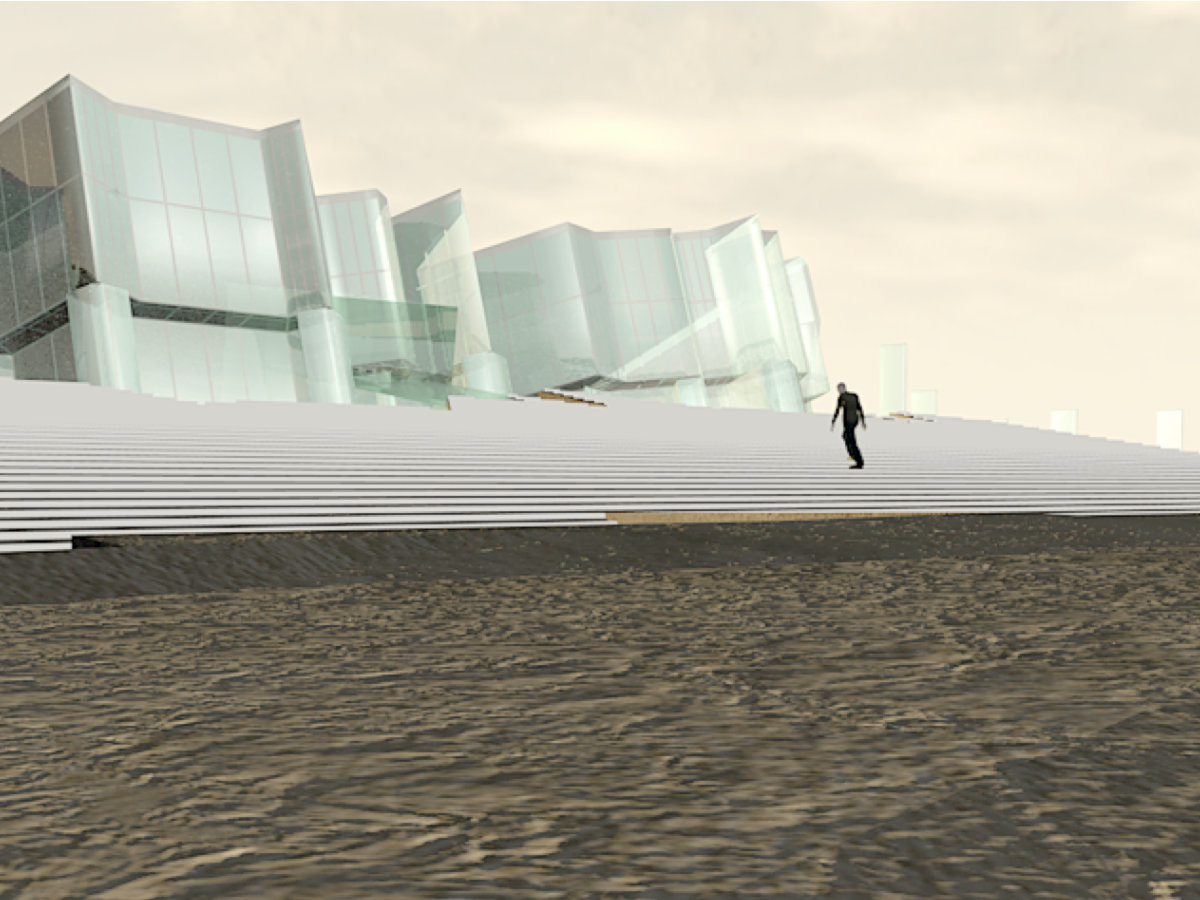
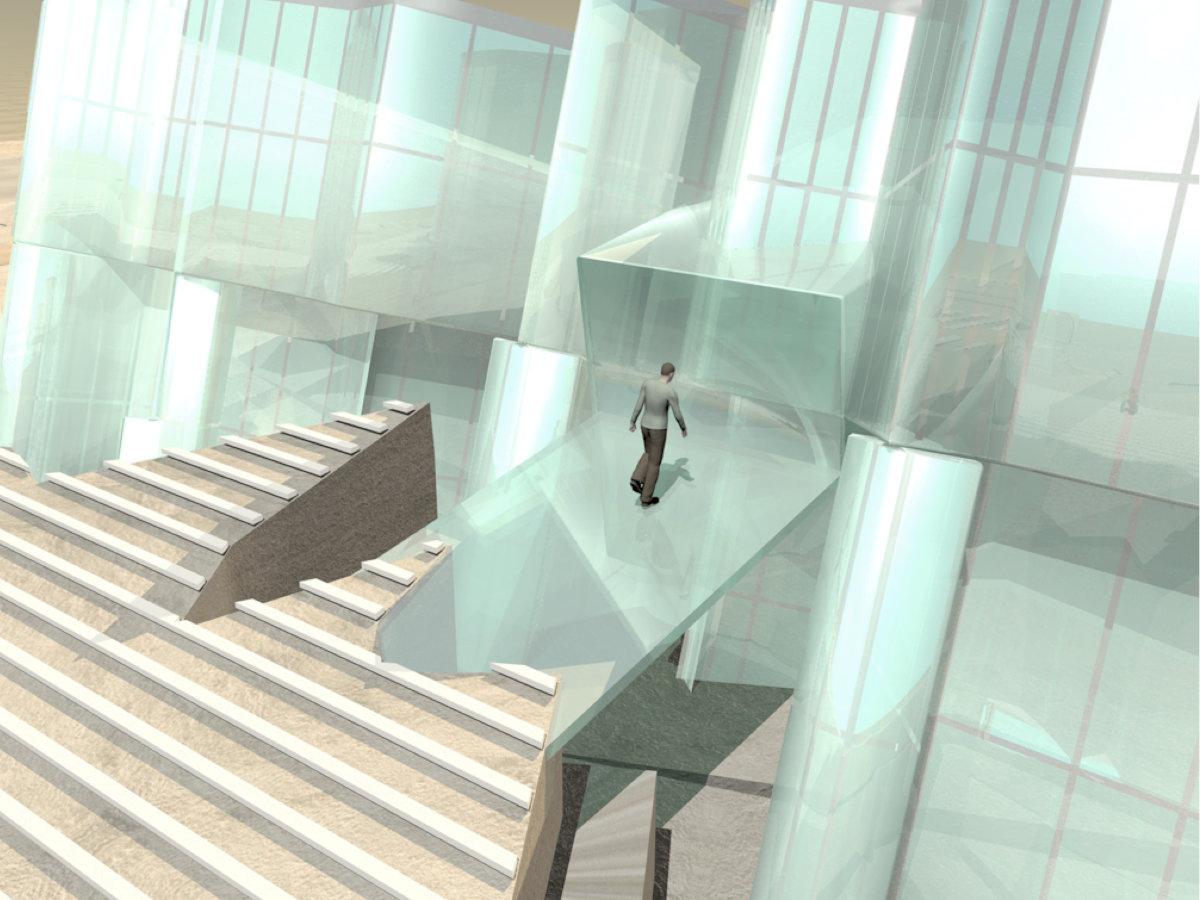
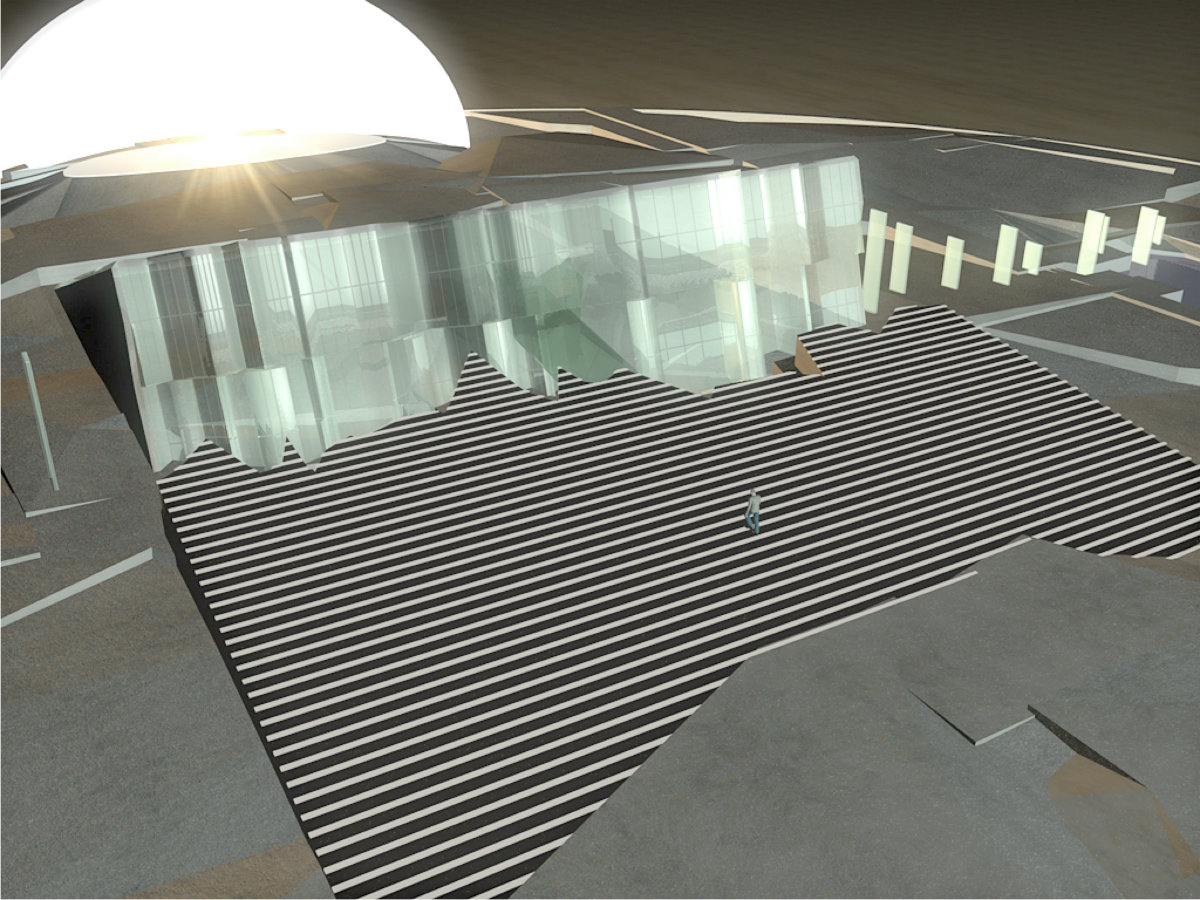
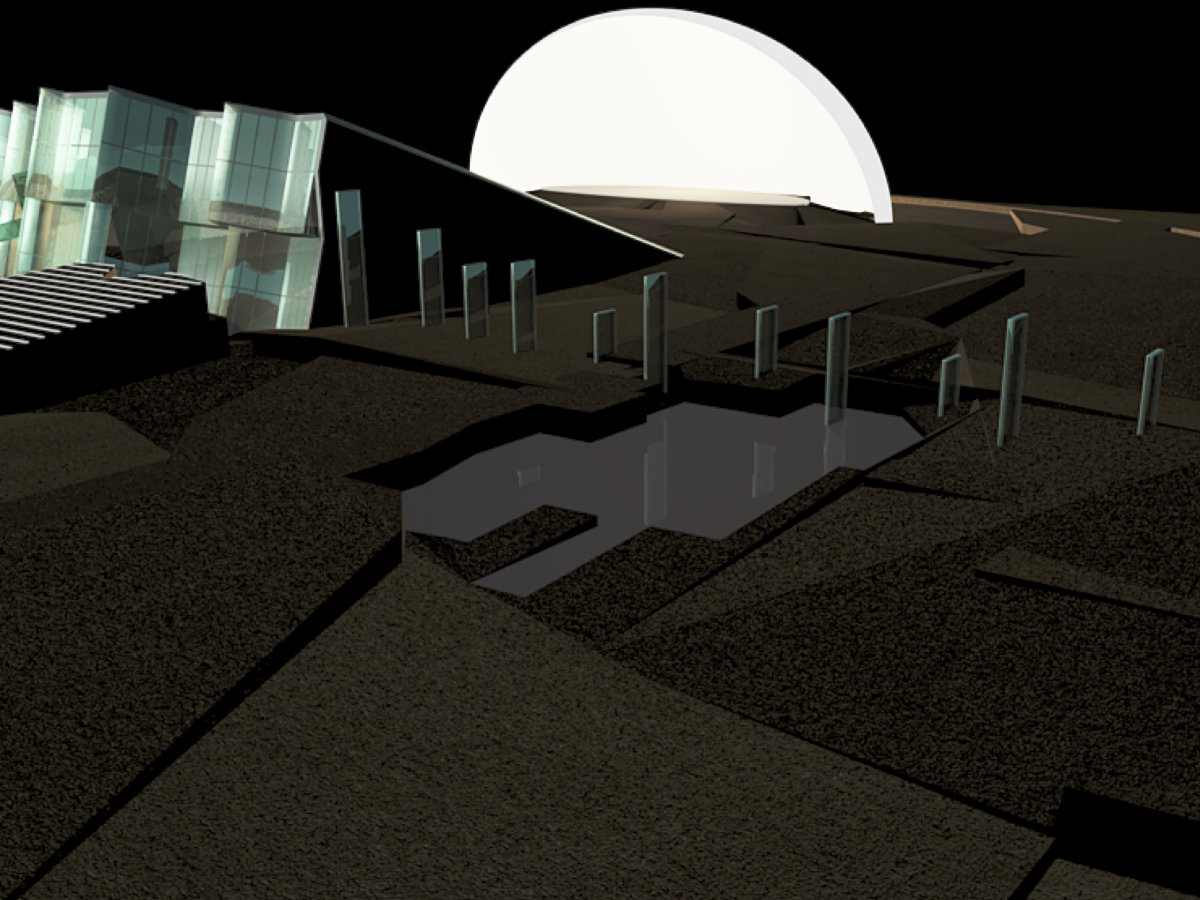
The entire front of the museum is made of glass, chosen deliberately to symbolize the fragility of human life. Glass, like life, is delicate and transient. Its transparency, however, also evokes a sense of lightness and hopefor the future. - Interactive Floor That Simulates Movement:
Parts of the special flooring are designed to slightly shift and move, mimicking the sensation of an earthquake. This feature ensures that visitors internalize the reality of seismic activity, reinforcing the need for constant awareness and preparedness. - Memorial Pathway with Engraved Names:
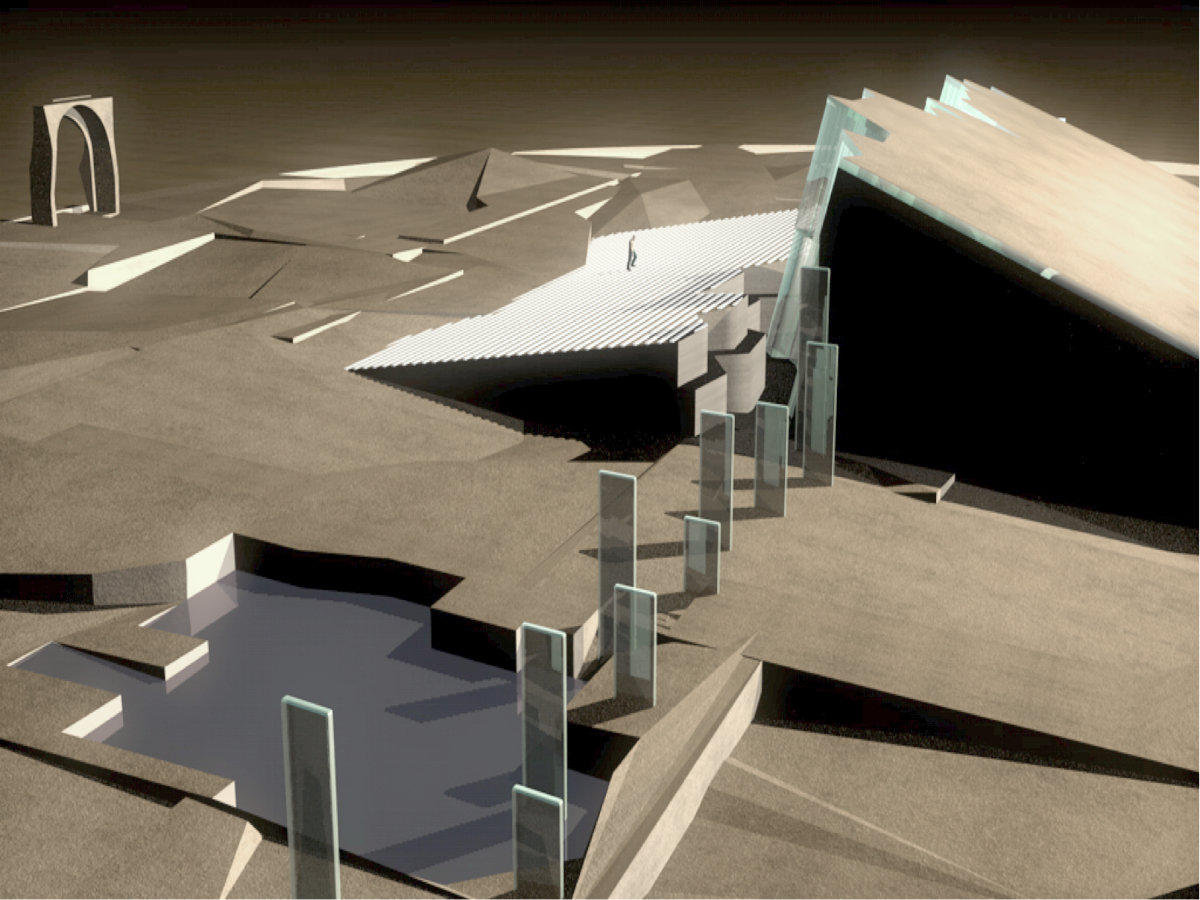
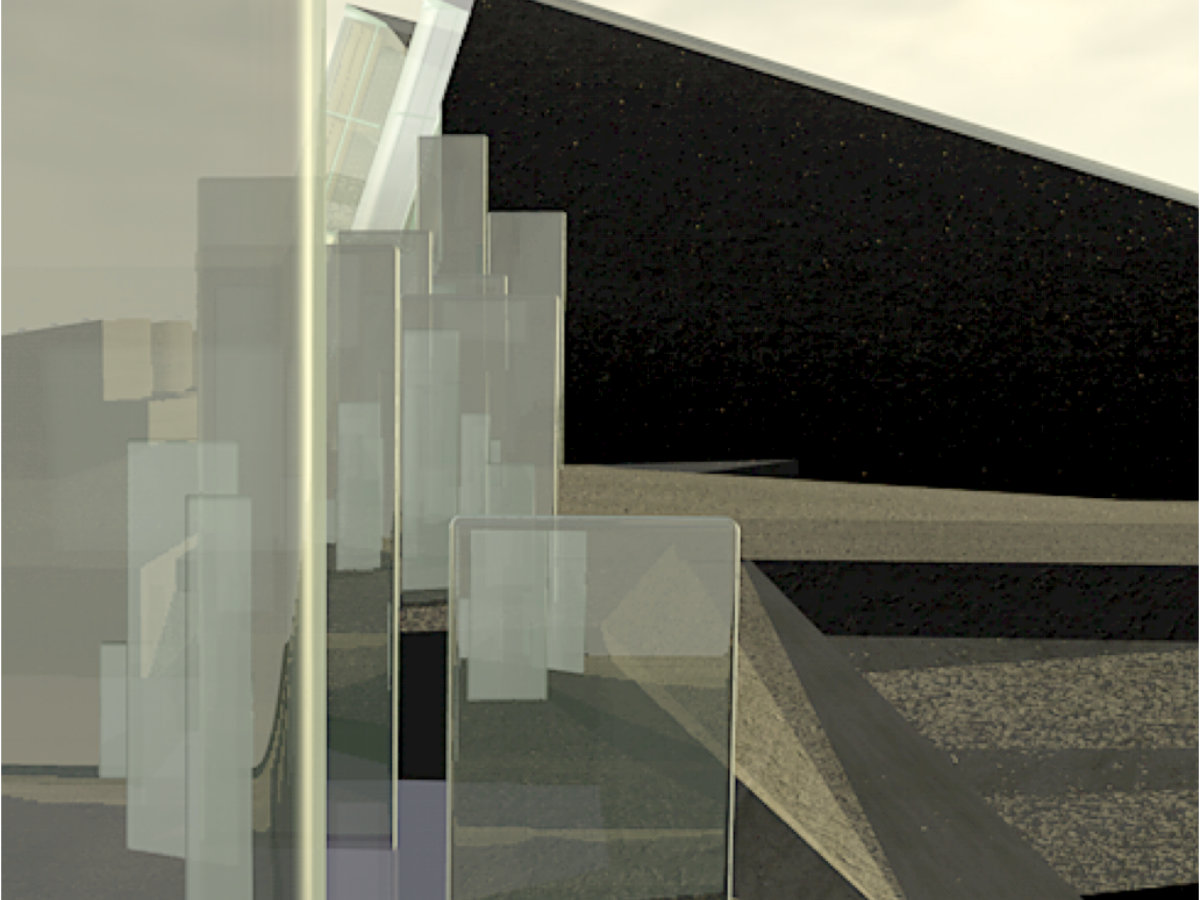
A long path of glass pillars, engraved with the names of the earthquake victims, cuts through the building, serving as a silent but powerful tribute to the thousands of lives lost. - Grand Staircase as a Space for Reflection:
A monumental staircase, designed as a gathering space for visitors, runs through the heart of the museum, symbolizing a place for remembrance, dialogue, and connection. - Illuminated Stage as a Symbol of Continuity:
Behind the building, a brightly lit stage serves as a venue for performances and cultural events—a testament to the resilience of life and the enduring spirit of the community.
A Place of Memory and a Vision for the Future
This museum is more than just a memorial for the past; it is also a center for education and resilience for future generations. It stands not only to commemorate the tragedy but also to minimize future earthquake risks through awareness, preparedness, and responsible construction practices.
A space where past, present, and future converge—where remembrance, learning, and hope are interwoven into a singular architectural vision.